
Businesses today move faster than ever before. Teams manage customer requests, marketing campaigns, operations, reporting, and approvals at the same time. As work grows, many companies struggle to keep systems organized.
Most businesses still use too many disconnected tools.
One team works inside spreadsheets. Another uses project management software. A third team stores updates in documents or chat tools. This creates delays, confusion, and duplicate work.
Small operational problems quickly become larger business issues.
This is why AI-native no-code systems are becoming more important.
An ai no-code platform helps businesses create workflows, databases, and applications without traditional software development. Teams can build operational systems using visual interfaces, automation, and AI-powered features instead of relying fully on developers.
These platforms are changing how businesses manage internal work.
Instead of waiting months for custom software, teams can create solutions much faster. Modern no-code systems also improve collaboration because everyone works from shared data and workflows in real time.
Platforms such as Baserow AI are helping businesses combine workflow automation, collaborative databases, and AI assistance inside one flexible environment.
The shift toward AI-powered operations is growing quickly. According to McKinsey AI research, organizations continue increasing investments in AI systems to improve productivity and operational efficiency.
Modern teams no longer want software that only stores information. They want systems that can automate tasks, organize workflows, and help teams make decisions faster.
What Is an AI No-Code Platform?
A no-code platform allows users to create software without manually writing code.
Instead of programming applications line by line, users work through visual interfaces. They can organize data, build workflows, automate actions, and create applications using drag and drop builders.
AI-native platforms improve this process even further.
They use AI features to help users create systems faster and manage operations more efficiently. Instead of manually configuring every step, AI can assist with workflow setup, automation suggestions, content summaries, and operational organization.
This makes application building much easier for non-technical teams.
Businesses now use AI-powered no-code tools for:
- Workflow automation
- Project tracking
- Customer support
- Approval systems
- Internal operations
- Reporting dashboards
- Team collaboration
Modern app builders also help reduce repetitive work across departments.
For example, project managers can automate status updates instead of manually tracking tasks. Operations teams can build approval systems without depending fully on developers. Marketing teams can organize campaign data inside collaborative databases.
This flexibility is one reason AI-native platforms are growing quickly.
Platforms such as Baserow product overview combine databases, automation, and collaborative workflows inside one shared workspace. Teams can adapt workflows as business needs change instead of rebuilding systems from the start.
Why Businesses Are Moving Toward AI-Native No-Code Systems
Traditional software development often takes time, money, and technical resources.
Businesses must plan requirements, manage engineering workloads, and wait for updates before operational systems become usable. For fast-moving teams, this creates delays.
AI-native no-code systems solve this problem by giving operational teams more control.
Instead of relying fully on developers, teams can create workflows and applications themselves. AI assistance also helps simplify setup and automation.
This allows businesses to move faster while reducing operational bottlenecks.
Faster Operations
Modern businesses manage large amounts of information every day.
Teams process customer requests, approvals, inventory updates, campaign tracking, and operational reporting continuously. Manual coordination slows this process down.
AI-powered workflow systems reduce repetitive work by automating tasks and organizing operational data.
For example, businesses can automate:
- Approval notifications
- Workflow updates
- Data organization
- AI-generated summaries
- Status tracking
- Task assignments
This improves efficiency while reducing manual errors.
Real-time operational visibility also helps teams make faster decisions because information updates immediately across workflows.
Reduced Technical Dependency
Many companies depend heavily on developers for internal tools.
However, operational teams usually understand business workflows better because they manage them daily. AI-native systems help these teams create tools themselves without advanced technical knowledge.
Visual workflow builders simplify application setup. Users can create dashboards, forms, automation systems, and operational portals through simple interfaces.
This reduces pressure on engineering teams and helps businesses respond faster to operational changes.
Modern no-code environments also support technical users who need more advanced customization. Teams can scale workflows gradually instead of rebuilding systems later.
Better Team Collaboration
Disconnected systems create communication gaps.
One department may update information while another team works from outdated records. This often causes delays, duplicate work, and reporting problems.
Centralized no-code systems improve collaboration because everyone works from the same operational data.
Team members can:
- Share updates
- Track approvals
- Monitor workflow progress
- Access operational dashboards
- Collaborate in real time
This improves visibility across departments and helps teams stay aligned.
According to Gartner automation research, workflow automation and AI-assisted operations are becoming core priorities for businesses focused on improving productivity and operational efficiency.
Real-Time Workflow Management
Businesses today cannot rely only on delayed reports.
Teams need immediate visibility into operations, approvals, customer activity, and project progress. Real-time systems help businesses identify problems earlier and respond faster.
AI-native workflow tools improve this visibility by centralizing operational information into connected databases and workflows.
Instead of switching between disconnected platforms, teams can manage operations from one environment.
This is especially useful for businesses managing building complex workflows across multiple departments.
Modern no-code systems also improve flexibility because workflows can change as operations evolve. Teams do not need to rebuild software every time business processes change.
This adaptability is becoming one of the biggest advantages of AI-native operational platforms.
How Teams Use AI No-Code Platforms in Real Workflows
AI-native systems are no longer limited to small automation tasks. Businesses now use them to manage operations across marketing, customer support, finance, logistics, and product teams.
The biggest advantage is speed.
Teams can build tools faster, automate manual work, and improve visibility without depending heavily on developers. Instead of purchasing many disconnected tools, businesses can centralize workflows inside one flexible system.
This is why modern no-code adoption is growing across industries.
Marketing Operations and Campaign Tracking
Marketing teams manage many moving parts every day.
They track campaigns, content approvals, lead updates, performance reports, and customer requests at the same time. When information lives across spreadsheets and disconnected platforms, teams lose visibility quickly.
AI-native systems simplify this process.
Teams can build campaign dashboards, automate approvals, and organize marketing data inside shared workflows. AI assistance can also summarize campaign performance and organize incoming requests automatically.
For example, a marketing team can:
- Track campaign status
- Assign approvals
- Store creative assets
- Monitor deadlines
- Generate AI summaries for reports
This reduces repetitive coordination work for project managers and helps teams move faster.
Many teams also build lightweight portals for approvals and reporting using modern code app builder tools instead of relying on expensive custom software.
Platforms such as Baserow overview are becoming popular because they combine operational databases with automation and collaboration inside one workspace.
Internal Business Tools and Operations
Many businesses still manage operations using spreadsheets.
This works at first. However, spreadsheets become difficult to manage once more people start updating information daily.
Teams often face:
- Duplicate records
- Missing updates
- Approval delays
- Broken formulas
- Poor reporting visibility
AI-powered workflow systems solve this by centralizing operations into structured databases.
Operations teams can build:
- Vendor management systems
- Approval workflows
- Employee onboarding tools
- Asset tracking systems
- Internal request portals
Visual app builders make this process easier because teams can create operational tools without writing code.
This also helps reduce pressure on technical users and development teams.
Businesses can adapt workflows faster because operational teams control their own systems directly.
Customer Support and Service Workflows
Customer support teams handle large volumes of requests every day.
Without proper workflow management, tickets become difficult to track. Teams may miss updates or respond slowly to customer issues.
AI-native systems improve support operations by organizing requests automatically.
For example, AI agents can:
- Categorize support tickets
- Generate summaries
- Recommend responses
- Detect urgent requests
- Route tickets to the correct teams
This helps support teams reduce response times while improving consistency.
Real-time workflow tracking also improves operational visibility. Managers can monitor workload distribution, ticket status, and support trends more easily.
Many businesses now create custom support systems using drag and drop builders because they offer more flexibility than traditional ticketing software.
Inventory and Operations Tracking
Operations teams often manage large amounts of moving data.
Inventory changes, supplier updates, delivery tracking, and warehouse operations all require accurate information. Small errors can create delays across the entire business.
AI-native workflow systems improve operational tracking by centralizing updates into one connected platform.
Teams can:
- Track inventory levels
- Monitor supplier activity
- Automate alerts
- Manage operational approvals
- Generate reporting dashboards
This improves decision-making because operational data updates in real time.
Flexible relational databases also help businesses scale more easily compared to spreadsheet-based systems.
Some companies are now building complex internal operations systems using no-code workflows instead of traditional software development approaches.
The growing popularity of AI-powered operations tools reflects this shift toward faster and more adaptable systems.
AI-Powered Knowledge Management
Businesses generate large amounts of information every day. Teams create documentation, customer notes, project updates, operational records, and process guides continuously. Over time, finding information becomes difficult.
AI-powered knowledge systems help organize this information automatically. For example, AI can:
- Summarize records
- Organize documents
- Improve search visibility
- Generate operational insights
- Recommend related workflows
This helps teams spend less time searching for information.
Modern systems also improve collaboration because team members can access shared knowledge from one location instead of switching between disconnected tools.
The Baserow community includes examples of teams building collaborative operational systems for content management, project tracking, and internal business workflows using flexible database structures.
Real Example: Building AI-Driven Operations With Baserow
One reason businesses are adopting AI-native systems is flexibility.
Traditional software often forces teams into fixed workflows. However, modern operations change quickly. Teams need systems they can adjust without rebuilding everything from the start.
This is where flexible platforms such as Baserow AI become useful.
For example, a company managing customer operations could build:
- A request intake portal
- AI-generated support summaries
- Automated approval workflows
- Shared operational dashboards
- Team collaboration systems
Instead of using several disconnected platforms, teams can manage operations from one shared environment.
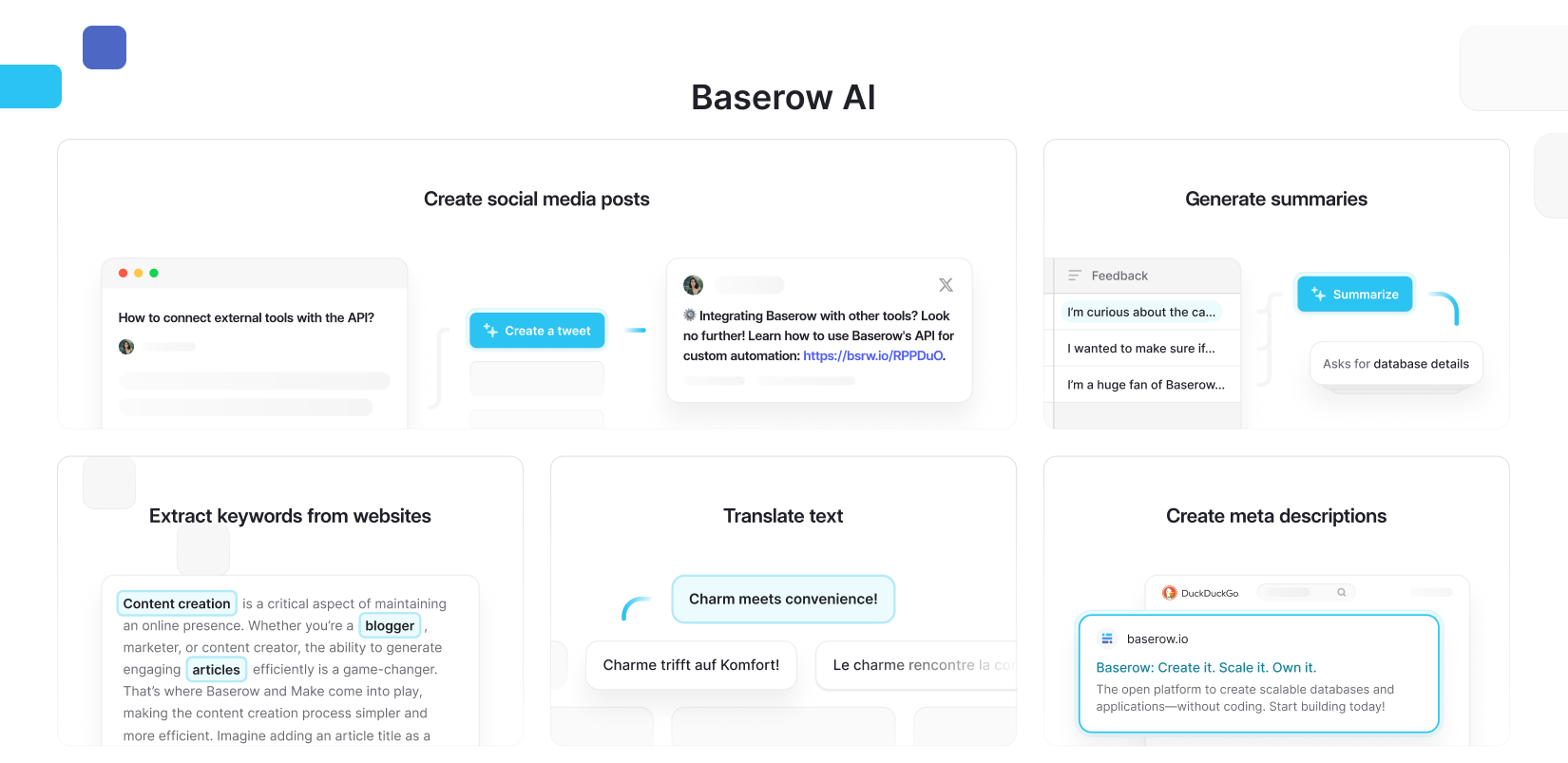
Baserow’s newer AI features also support workflow automation and operational assistance directly inside databases. This allows businesses to combine structured operational data with intelligent automation.
Teams can start with small workflows and expand gradually as operations grow.
This flexibility is one reason AI-native no-code systems are becoming more important for modern businesses.
What To Look for Before Choosing an AI No-Code Platform
Many AI tools look similar at first. However, some platforms become difficult to manage as teams grow. Others lack automation, flexibility, or collaboration features. Before choosing a platform, businesses should focus on simple but important areas.
Easy Setup and Simple Workflows
A good platform should feel easy to use from the start. Teams should not need weeks of training to build workflows or manage data. Simple navigation and clear workflow builders help users move faster. This is important for non-technical teams. Good platforms allow users to:
- Create forms
- Build dashboards
- Organize records
- Automate tasks
- Share updates
All without writing code. Visual workflow systems also reduce mistakes because users can see how processes work step by step.
Flexible Databases
Business operations change often. A system that works today may need new fields, workflows, or approvals later. Flexible databases help teams adjust quickly.
This is one reason many businesses now prefer modern database platforms over spreadsheets. Flexible systems help teams:
- Add new workflows
- Change fields easily
- Connect multiple tables
- Organize large records
- Scale operations over time
Platforms such as Baserow overview are designed to support growing operational workflows without making systems difficult to manage.
Real-Time Collaboration
Teams work together across many departments. Marketing, operations, finance, and customer support often need access to the same information. Delayed updates create confusion and slow down decisions. Real-time collaboration solves this problem.
Team members can:
- View live updates
- Track workflow progress
- Share comments
- Assign tasks
- Monitor approvals
This keeps everyone aligned. Shared operational visibility also reduces duplicate work.
Automation and AI Support
Automation is one of the biggest reasons businesses adopt modern no-code tools. Teams spend too much time on repetitive tasks every day. AI-powered systems reduce this workload. For example, AI can:
- Summarize updates
- Organize records
- Suggest next actions
- Trigger alerts
- Sort incoming requests
This helps teams save time. Modern systems also support AI actions directly inside workflows. This allows businesses to automate operational work without adding extra tools.
The newer AI capabilities inside Baserow AI focus on helping teams manage workflows and data more efficiently.
Security and Permissions
As workflows grow, businesses need better control over access. Not every employee should see every record or workflow. Good platforms support:
- User permissions
- Role-based access
- Shared workspaces
- Controlled editing
- Secure collaboration
This becomes more important as teams and projects expand.
Integration Support
Most businesses already use many tools. An AI-native platform should connect easily with other systems. This improves workflow automation and reduces manual updates. Modern platforms often connect with:
- CRMs
- Email tools
- Reporting systems
- Automation platforms
- Internal databases
API access is also important for growing businesses. This gives teams more flexibility as operations become more complex.
Common Mistakes Teams Make With AI No-Code Adoption
AI-native systems can improve operations greatly. However, many businesses still face problems because they adopt tools without proper planning. Simple workflow planning usually creates better long-term results.
Trying To Automate Everything
Some teams try to automate every task immediately. This often creates confusion. It is usually better to start with one workflow first. Teams can then improve processes gradually.
For example:
- Start with approvals
- Then automate reporting
- Later expand into operations tracking
Small improvements are easier to manage.
Using Too Many Separate Tools
Many companies still use several disconnected platforms together. This creates duplicate updates and poor visibility. A connected operational system works better because teams can manage workflows from one place.
This is why businesses increasingly prefer flexible platforms that combine databases, collaboration, and automation together.
Poor Workflow Structure
Bad workflow setup creates long-term problems. For example:
- Duplicate fields
- Confusing approvals
- Missing ownership
- Unclear task tracking
Simple workflows usually work better. Teams should focus on clarity first before adding advanced automation.
Ignoring Team Collaboration
Some systems work well for individuals but not for teams. Modern operations require shared visibility. Everyone should understand:
- Workflow status
- Ownership
- Deadlines
- Approvals
- Operational updates
Shared systems improve accountability and reduce communication gaps.
The Future of AI No-Code Development
AI-native systems are evolving quickly. In the past, no-code tools focused mostly on forms and simple automation. Today, businesses expect much more. Modern systems now support:
- AI workflow assistance
- Automated summaries
- Operational recommendations
- Intelligent search
- Collaborative databases
The next stage will likely focus on even faster workflow creation. Teams may soon build applications using simple prompts instead of manually configuring every workflow step.
This shift is already visible in newer tools and community discussions such as those shared in the Baserow community. Businesses are also moving toward smaller internal apps instead of large and expensive software systems.
This makes no-code development more flexible and easier to maintain. The growth of AI-native operations platforms shows that businesses now want software that adapts quickly as workflows change.
Platforms that combine automation, collaboration, and flexible databases will likely become more important in the coming years.
Frequently Asked Questions
- What is a no-code AI platform?: A no-code AI platform helps users build workflows, databases, and applications without programming. AI features help automate tasks, organize data, and improve operations.
- Can I make AI without coding?: Yes. Many modern no-code tools allow users to create AI-powered workflows through visual builders and automation systems without software development skills.
- Which is the best no-code platform?: The best platform depends on business needs. Many teams prefer flexible systems that combine databases, automation, collaboration, and AI workflow support.
- Are AI no-code tools good for businesses?: Yes. They help businesses reduce manual work, improve visibility, and build workflows faster without depending fully on developers.
- Can no-code platforms build mobile apps?: Some platforms support native mobile apps and responsive workflows that work across devices.
- Do AI no-code tools replace developers?: No. Developers are still important for advanced systems. However, no-code tools help operational teams build simpler workflows themselves.
- Are no-code AI platforms secure?: Most modern platforms support permissions, role-based access, and secure collaboration features for business operations.
- How do AI workflow builders work?: AI workflow builders use automation and AI assistance to help users create operational systems faster through visual interfaces instead of manual coding.
Conclusion
Businesses today need faster and simpler ways to manage operations. AI-native no-code systems help teams automate work, organize information, and improve collaboration without depending fully on traditional software development.
Modern platforms now combine:
- Flexible databases
- Workflow automation
- AI assistance
- Real-time collaboration
- Visual app building
This helps teams create operational systems that adapt as business needs change.
Platforms such as Baserow are helping businesses build connected workflows while keeping systems flexible and easy to manage.
If your team wants to simplify operations and build smarter workflows, you can start using Baserow today.

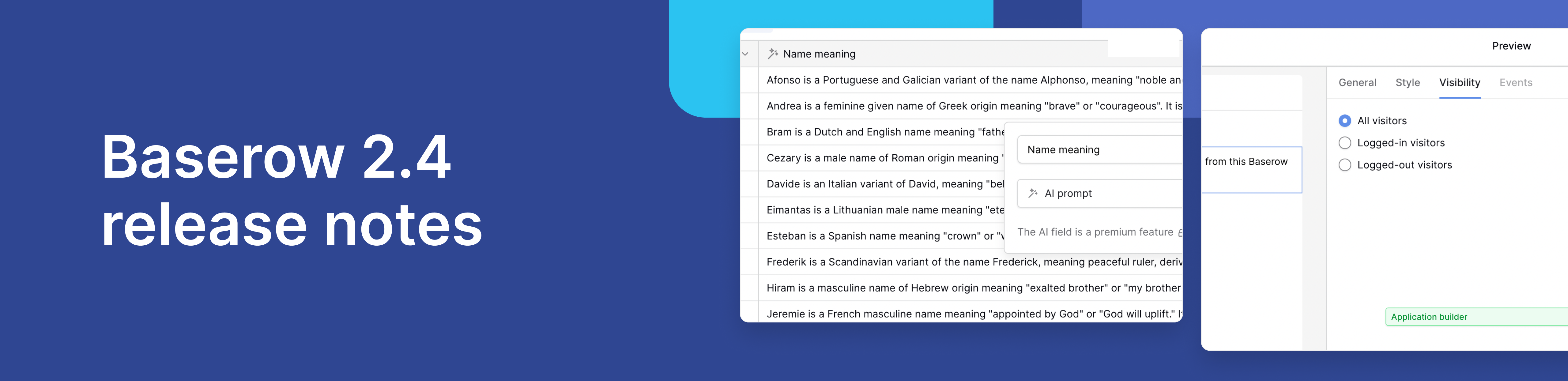
Baserow 2.4 adds Button fields, Graph elements, workflow automation, AI provider management, improved Group By views, and 30+ more updates.

Discover how Airtable and Baserow compare in features, flexibility, speed, and scalability. Compare pricing plans and hidden costs to make an informed decision!

Explore the best open-source software alternatives to proprietary products. Discover OSS tools, licenses, and use cases with our updated directory.