
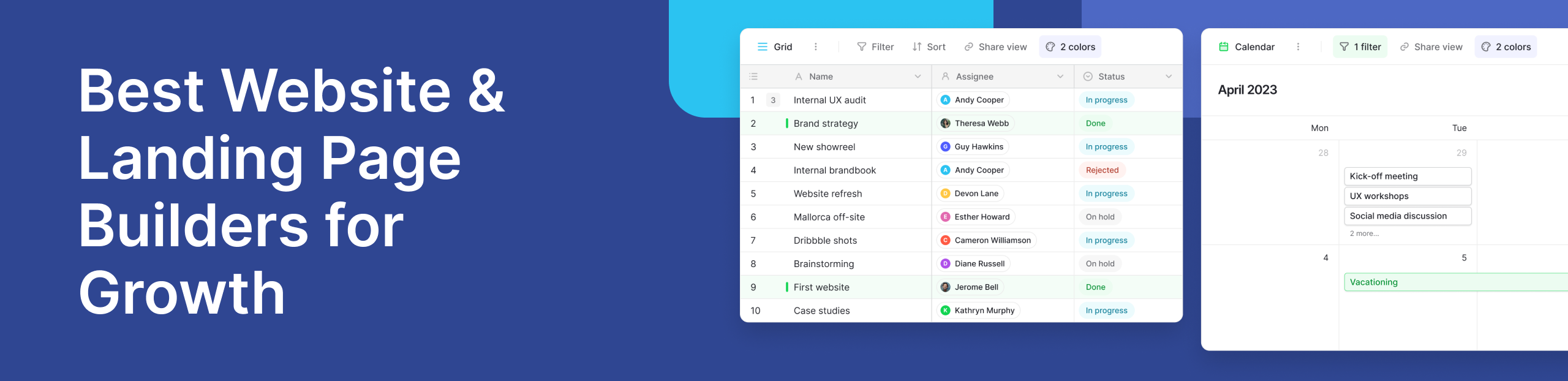
What Are Website & Landing Page Builders?
Website and landing page builders are tools that help you design and publish web pages without needing to write code. These platforms use a simple visual interface, so you can drag elements like text, images, and buttons into place.
A website builder helps you create full websites with multiple pages. A landing page builder, on the other hand, focuses on a single goal—like collecting leads, promoting a product, or getting sign-ups.
Today, many businesses use these tools to create landing pages quickly. Instead of hiring developers, teams can use a page creator to launch campaigns in hours. Most modern landing page creators also come with built-in landing page templates, making it easy to get started.
Why Businesses Use Landing Page Builders Today
The way companies build and test marketing campaigns has changed. Speed and flexibility matter more than ever.
First, these tools remove the need for coding knowledge. With a drag and drop editor, anyone can build landing pages without technical skills. This makes it easier for marketing teams to work independently.
Second, businesses can test different versions of your landing pages. This is called A/B testing. It helps you understand what works best—whether it’s a headline, image, or call to actions.
Another key benefit is access to analytics tools. These tools show how visitors interact with your page in real time. You can track clicks, conversions, and user behavior.
Finally, many builders connect with your marketing platform. This allows you to manage campaigns, collect leads, and track performance in one place.
Key Features to Look for in a Good Landing Page Builder
Choosing the right tool can save time and improve results. Here are the most important features to consider.
- Ease of Use: The best drag and drop landing page builders are simple to use. A clean interface helps you focus on design instead of technical details. Even beginners should be able to create a page in minutes.
- Templates and Design: Good tools offer ready-made landing page templates. These templates are designed for conversions and can be customized easily. A strong design helps you create a good landing page that looks professional and works well on all devices.
- Performance and Optimization: Top platforms allow you to create multiple versions of your landing pages. This helps you test and improve results over time. Built-in analytics tools also give insights into user behavior.
- Integrations and Flexibility: Look for tools that support a custom domain. This makes your pages look more professional. Integration with other tools, like email platforms and CRMs, is also important for managing leads.
- Pricing Options: Many tools offer free plans, which are great for beginners. A free landing page builder can help you get started without risk. As your needs grow, you can upgrade to paid plans with more features.
10 Best Website & Landing Page Builders
Here are some of the most popular tools you can use today.
1. Baserow (Recommended)
While not a traditional builder, Baserow plays a powerful role in landing page workflows. It helps you manage and organize the data behind your pages.
For example, when you create landing pages for campaigns, you need to track leads, user actions, and performance. Baserow lets you store and manage this information in a structured way.
It also supports real time collaboration, making it easier for teams to work together. Many users in the Baserow community share how they use it to manage campaigns and improve results.
2. Webflow: Webflow is a popular choice for designers who want full control. It allows you to build responsive websites with clean code output. This makes it ideal for users who want both flexibility and performance.
3. Carrd: Carrd is known for its simplicity. It is perfect for building one-page websites quickly. Many startups use it for fast landing page creation.
4. GrapesJS: GrapesJS is an open-source builder that gives you full control over design and code. It is a good option for users who want more customization.
5. Wix: Wix is beginner-friendly and comes with an ai powered builder. It can generate layouts and content suggestions, helping users get started quickly.
6. Leadpages: Leadpages focuses on conversions. It is one of the most popular dedicated landing page builders, offering templates and tools designed to increase sign-ups.
7. Unbounce: Unbounce is known for its strong testing features. It allows users to create multiple landing page variations and optimize them using data.
8. Instapage: Instapage is built for teams that need advanced features. It offers collaboration tools, detailed analytics tools, and personalization options. This makes it a strong choice for large campaigns.
9. HubSpot: HubSpot combines landing pages with a full marketing platform. You can manage leads, emails, and campaigns in one place. It is useful for businesses that want everything connected.
10. Mailchimp: Mailchimp is known for email marketing, but it also offers simple landing page tools. It is a good option for beginners who want an all-in-one solution.
How to Build Landing Pages That Convert
Creating a page is easy. Creating one that works well takes a bit more thought.
Start with a clear headline. Visitors should understand your offer in seconds. Keep your layout simple and avoid too many elements.
Strong call to actions are key. Use clear buttons like “Sign Up” or “Get Started.” Place them where users can easily see them.
Speed also matters. A fast-loading page improves user experience and increases conversions.
Finally, track everything. Use analytics tools to understand what users do on your page. This helps you improve over time.
Real Use Case: Managing Landing Page Data with Baserow
Imagine you are running multiple campaigns at the same time. Each campaign has its own landing page.
You need to collect leads, track performance, and manage data. This is where Baserow becomes useful.
With Baserow, you can:
- Store all lead data in one place
- Track conversions in real time
- Organize campaigns using structured tables
- Collaborate with your team easily
Many teams use it as a backend system for their landing page creators. Instead of scattered spreadsheets, you get a single source of truth.
Common Mistakes to Avoid
Even the best tools cannot fix poor strategy. Here are some common mistakes:
- Adding too many elements to the page
- Not optimizing for mobile devices
- Weak or unclear call to actions
- Not testing different versions of your landing pages
- Ignoring data and analytics
Avoiding these mistakes can greatly improve your results.
Frequently Asked Questions
1. What is the best landing page builder for beginners?: Tools like Wix and Mailchimp are simple and easy to use for beginners.
2. Can I build landing pages for free?: Yes, many tools offer free plans. A free landing page builder is a great way to start.
3. What makes a good landing page?: A good landing page is simple, fast, and focused on one goal with clear messaging and strong CTAs.
4. Do I need coding knowledge to build landing pages?: No, most tools use drag and drop editors, so no coding is required.
5. Which tool is best for managing landing page data?: Tools like Baserow are great for managing and organizing campaign data.
Conclusion
Website and landing page builders have made it easier than ever to launch and test ideas. Whether you are a beginner or an expert, these tools help you move faster and work smarter.
The key is to choose the right platform for your needs. Start simple, test often, and improve based on data.
If you want to take your workflow further, consider using a tool like Baserow to manage your data behind the scenes. Get started today!

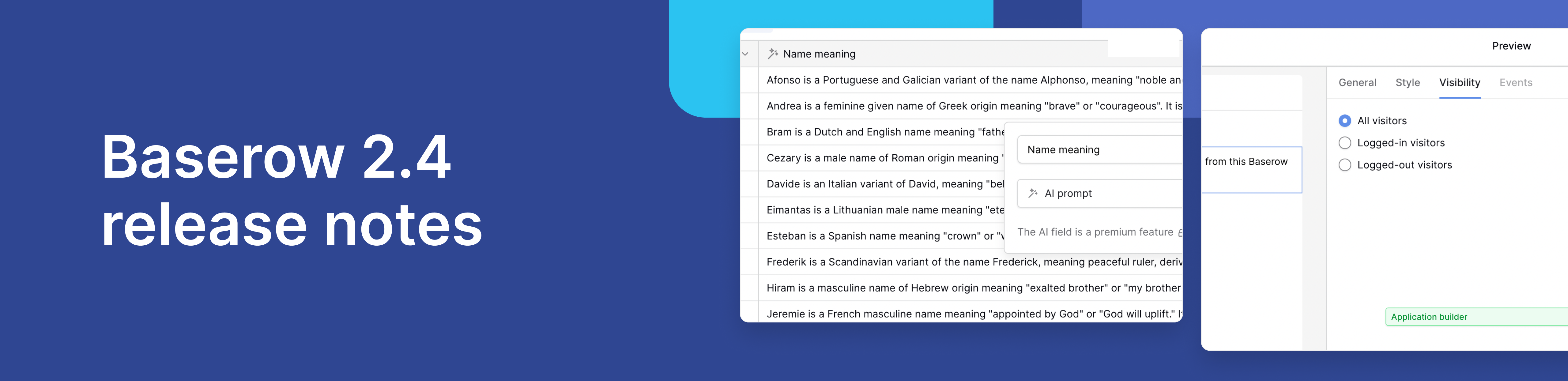
Baserow 2.4 adds Button fields, Graph elements, workflow automation, AI provider management, improved Group By views, and 30+ more updates.

Discover how Airtable and Baserow compare in features, flexibility, speed, and scalability. Compare pricing plans and hidden costs to make an informed decision!

Explore the best open-source software alternatives to proprietary products. Discover OSS tools, licenses, and use cases with our updated directory.