
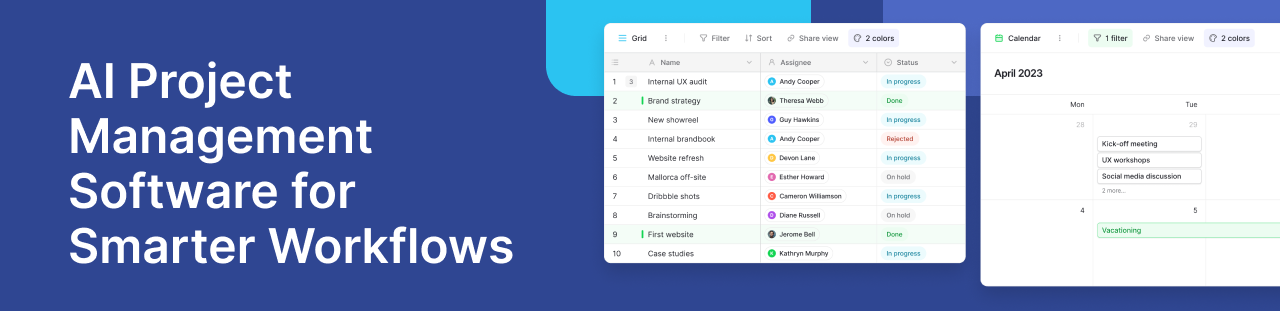
Modern teams handle a lot of work every day. Marketing teams manage campaigns, content, and customer updates. Product teams handle launches, bugs, and feedback. Operations teams track approvals, reports, and internal requests.
As work grows, managing everything becomes harder.
Many teams still use spreadsheets and disconnected tools. These systems work at first, but they become difficult to manage as projects grow larger.
People miss updates. Teams lose track of deadlines. Managers spend hours checking progress manually.
This is why many businesses now use AI project management software to improve daily operations.
AI-powered workflows help teams automate routine tasks, organize information, and improve communication across departments.
Instead of spending time on repetitive work, teams can focus more on planning, collaboration, and execution.
Platforms such as Baserow help teams build flexible operational systems that combine databases, collaboration, and workflow automation in one place.
Why Teams Are Using AI in Project Operations
Project management has changed a lot in recent years.
Teams now work remotely, collaborate across departments, and manage more information than ever before.
Older systems were designed mainly for simple task tracking. Modern teams need workflows that can update quickly and support fast-moving operations.
Many companies still spend too much time on repetitive work such as:
- Updating project statuses
- Sending reminders
- Tracking approvals
- Building reports
- Organizing project files
- Managing multiple team plans
These tasks are important, but they take time away from more valuable work.
Modern ai project management tools help reduce this workload through automation.
For example:
- AI can send updates automatically
- Workflows can notify teams about delays
- Systems can organize project data in real time
- AI assistants can summarize tasks and discussions
This helps teams work faster and stay more organized.
According to McKinsey research, more businesses now use AI to improve operational efficiency and automate workflows across departments.
The goal is not to replace people. The goal is to help teams spend less time managing work manually.
What Modern AI Workflow Platforms Actually Do
%20(1).png)
Many people think AI workflows only involve chatbots. Modern systems can do much more than that.
Today’s tools for project management help businesses:
- Automate routine work
- Predict delays
- Improve reporting
- Organize operational data
- Support collaboration
- Streamline workflows across teams
This creates a more connected way of working.
For example, a product launch may involve:
- Product managers
- Marketing teams
- Designers
- Customer support
- Leadership teams
Without one shared system, communication becomes difficult.
AI powered workflows help teams stay connected by organizing information in one operational workspace.
Teams can automatically:
- Assign tasks
- Track progress
- Share updates
- Monitor deadlines
- Manage approvals
Many companies also use ai assistants to support daily operations.
AI assistants can:
- Summarize meetings
- Organize action items
- Create workflow suggestions
- Help manage project planning
- Support team coordination
This is especially useful for businesses managing complex projects across multiple teams.
Core Features That Make AI-Powered Workflows Effective
Intelligent Task Prioritization
One major benefit of ai for project management is better prioritization.
AI systems can help teams identify:
- High-priority tasks
- Delayed work
- Resource conflicts
- Workflow bottlenecks
- Deadline risks
This helps managers optimize resources more effectively.
AI systems can also learn from previous workflows to improve future planning decisions.
Automated Progress Tracking
Manual reporting takes time.
Modern project management software can automatically track updates using connected workflows and databases.
This reduces the need for constant follow-up messages and manual reporting.
Teams can see project progress in real time without searching through multiple tools.
Predictive Analytics for Resource Planning
Predictive analytics is becoming more important in project operations.
AI systems can analyze workflow patterns and help teams estimate:
- Delivery timelines
- Team workloads
- Resource gaps
- Potential delays
- Operational risks
This allows companies to solve problems earlier.
According to Gartner research, predictive operational systems are becoming increasingly important for organizations managing large distributed teams.
AI-Powered Workflow Recommendations
Modern ai tools for project operations can also recommend workflow improvements.
For example, AI may suggest:
- Reassigning overloaded tasks
- Adjusting timelines
- Automating approvals
- Simplifying workflows
- Improving communication processes
These suggestions help teams work more efficiently.
Better Team Collaboration
Collaboration becomes difficult when information is spread across many tools.
Modern workflow systems improve collaboration by centralizing project data, communication, and operational workflows in one place.
This is one reason why flexible platforms such as Baserow project management templates are becoming more popular with operational teams.
Real Operational Problems AI Workflows Solve
Managing Big Projects Across Teams
As companies grow, projects become harder to manage. Different teams work on different parts of the same project. Marketing teams need launch updates. Product teams track development. Support teams prepare customer communication.
Without one shared system, work becomes confusing.
People miss updates. Teams lose track of deadlines. Managers spend too much time checking progress manually.
AI-powered workflows help solve this problem.
With AI features, teams can keep updates, approvals, timelines, and tasks in one place. Information updates automatically, so everyone sees the latest progress.
For example:
- Product updates can notify marketing teams automatically
- Delayed tasks can trigger alerts instantly
- Teams can track approvals more easily
- Dashboards update in real time
This helps businesses manage complex projects with less confusion and fewer delays.
Flexible platforms such as Baserow are useful because teams can build workflows that match their own operations instead of using rigid systems.
Reducing Manual Coordination
Many managers spend hours every week doing repetitive work.
This includes:
- Sending reminders
- Updating spreadsheets
- Tracking approvals
- Organizing meeting notes
- Assigning tasks
- Following up with team members
These tasks slow down operations.
Modern AI powered systems reduce this workload through automation.
Teams can create workflows that:
- Send updates automatically
- Notify stakeholders about delays
- Move approvals to the next step
- Assign tasks to the right people
- Generate simple progress summaries
This gives teams more time to focus on important work.
For example, teams using Baserow for project workflows can centralize operations while reducing manual coordination across departments.
Improving Visibility Across Teams
Many businesses struggle because project information is spread across too many tools.
Leaders often cannot clearly see:
- Which projects are delayed
- Which teams are overloaded
- Where approvals are stuck
- Which tasks need attention
AI-powered reporting improves visibility by organizing project data automatically.
Instead of waiting for manual reports, teams can view live dashboards connected directly to operational workflows.
This helps companies make faster decisions and solve problems earlier. AI-supported systems can improve productivity by reducing communication delays and improving access to information.
Making Approval Workflows Faster
Approval systems often slow projects down.
Teams may wait days for:
- Budget approvals
- Content reviews
- Compliance checks
- Product sign-offs
AI driven workflows help speed up these processes.
Instead of forwarding requests manually, workflows can automatically send approvals to the correct people.
This reduces delays and improves accountability across teams.
How Baserow Supports AI-Powered Project Workflows
Many traditional project tools only focus on task tracking. Modern teams need more flexibility.
They need systems that can:
- Store project data
- Support collaboration
- Automate workflows
- Organize project planning
- Adapt as teams grow
This is where Baserow becomes highly useful.
Baserow combines flexible databases with workflow management. Teams can build custom operational systems without needing large technical teams.
Instead of forcing teams into fixed structures, Baserow lets organizations create workflows that fit their own operations.
This works well for:
- Marketing operations
- Product coordination
- Internal approvals
- Customer onboarding
- Resource tracking
- Cross-functional collaboration
Using Kuma AI Agent for Smarter Workflows
Baserow also offers Kuma, an AI agent that helps teams build smarter operational systems.
Using Kuma inside Baserow, teams can create AI-supported workflows and applications more easily.
Kuma can help teams:
- Build workflow structures
- Organize project information
- Create internal tools
- Support team coordination
- Simplify data management
- Improve workflow visibility
This makes AI capabilities easier for growing businesses to adopt.
Instead of managing many disconnected systems, teams can organize operations inside one collaborative workspace.
Learning From the Baserow Community
Many businesses also explore workflow ideas through the Baserow community.
Teams share:
- Workflow ideas
- Operational systems
- Collaboration setups
- Project management approaches
This helps companies learn how other teams improve operations and manage workflows.
Businesses can also start quickly using project management templates designed for operational use cases.
Best Practices for Building AI-Driven Workflows
- Start Small
Do not automate everything at once. Start with repetitive tasks such as:
- Notifications
- Reporting
- Status updates
- Approval routing
- Task assignments
These workflows usually provide quick operational improvements.
- Keep Information in One Place
Teams work better when project data stays centralized. Shared systems improve communication and reduce confusion.
They also help AI systems provide better recommendations because all project information stays connected.
- Keep Human Oversight
AI can improve workflow speed, but people still make important decisions. Human teams are still needed for:
- Strategy
- Leadership
- Risk management
- Communication
- Final approvals
The best workflows combine automation with human judgment.
- Improve Workflows Gradually
Operational systems evolve over time. Teams should improve workflows step by step instead of creating overly complicated systems immediately. This makes adoption easier across departments.
Frequently Asked Questions
- Which AI tool is best for project management?: The best tool depends on the needs of the business. Many teams prefer flexible platforms that combine collaboration, automation, databases, and workflow management in one place.
- Can I use AI for project management?: Yes. AI can help with project planning, reporting, workflow automation, scheduling, and operational coordination. Many companies now use AI to reduce repetitive work and improve efficiency.
- Can AI replace PMP?: AI can automate routine operational tasks, but leadership, communication, planning, and decision-making still require experienced project professionals.
- Can ChatGPT help with project management?: ChatGPT can help summarize meetings, organize documentation, create task lists, and support workflow planning. However, teams still need structured operational systems to manage projects effectively.
- What is the best AI agent for project management?: AI agents that combine automation, operational workflows, and customization are becoming more useful for businesses. Kuma helps teams build AI-supported operational systems that fit their workflows.
Final Thoughts
AI-powered workflows are changing how modern teams manage operations and collaboration.
Instead of spending hours coordinating work manually, teams can automate operational tasks, improve visibility, and make faster decisions using connected systems.
The best operational workflows are flexible, collaborative, and built around how teams actually work.
Platforms such as Baserow AI help organizations combine workflow automation, collaboration, databases, and AI-powered capabilities inside one adaptable platform.
Teams looking to modernize operations can explore Baserow here and start building smarter workflows for growing projects.

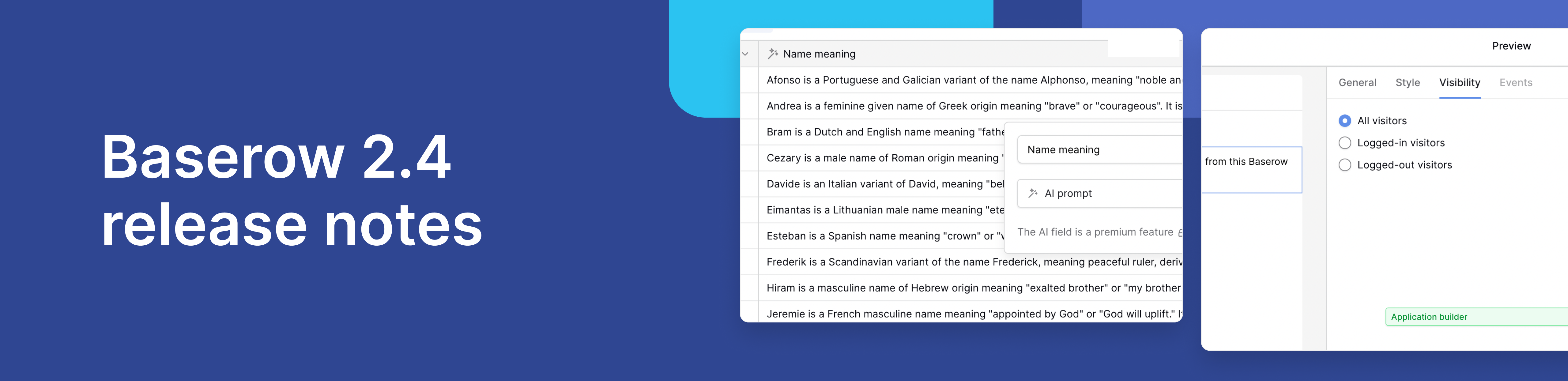
Baserow 2.4 adds Button fields, Graph elements, workflow automation, AI provider management, improved Group By views, and 30+ more updates.

Discover how Airtable and Baserow compare in features, flexibility, speed, and scalability. Compare pricing plans and hidden costs to make an informed decision!

Explore the best open-source software alternatives to proprietary products. Discover OSS tools, licenses, and use cases with our updated directory.