
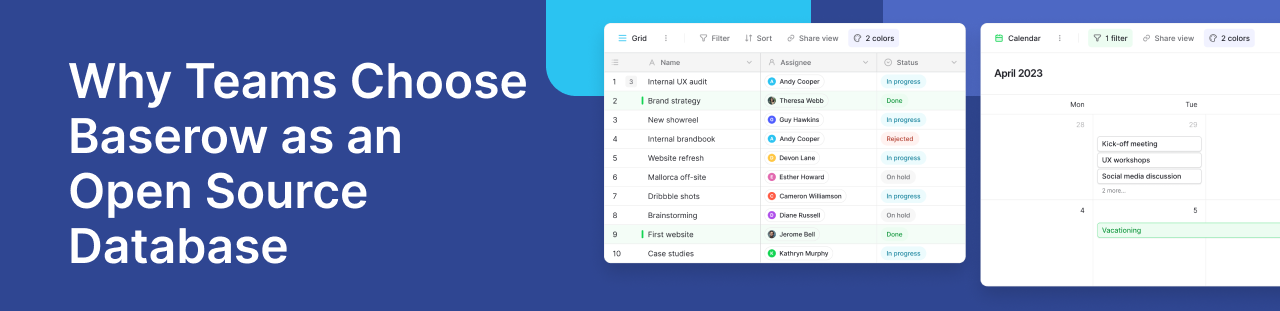
Modern teams work fast. They manage campaigns, customer data, product updates, and reports every day. Many businesses still use spreadsheets and disconnected apps to handle these tasks. Over time, this creates confusion, delays, and duplicate work.
That is why more companies now use flexible database platforms that support collaboration and automation. Tools like Baserow help teams organize information in one place without needing a large technical team.
Baserow combines the simplicity of spreadsheets with the flexibility of a modern database system. Teams can manage workflows, share updates, and track projects in real time. This makes daily operations easier for both technical and non-technical users.
Why Traditional Database Workflows Create Problems
Many businesses start with spreadsheets because they are easy to use. But as teams grow, spreadsheets become difficult to manage.
For example, a marketing team may track campaigns in one tool while the operations team manages approvals somewhere else. Product teams may store customer feedback in another platform. This creates slow communication and manual reporting.
Older systems also depend heavily on developers. Even small workflow changes may require technical support. Some closed source databases also limit customization and flexibility for growing businesses.
Another common problem is visibility. Teams waste time searching for files, updates, and reports across different tools. These disconnected systems can create single points of failure when only one employee understands a process.
Modern businesses need a better way to manage workflows. They want systems that support collaboration, automation, and fast reporting.
That is where Baserow becomes useful. Teams can create shared dashboards, automate repetitive work, and manage projects from one workspace.
Businesses exploring flexible platforms can also read this open-source database guide to understand how collaborative systems are changing modern workflows.
How Teams Use Baserow for Real-Time Workflows
Different teams use databases in different ways. The best tools adapt to business needs instead of forcing teams into rigid processes.
- Operations Teams Tracking Daily Tasks
A logistics company may need to track deliveries, warehouse updates, and support requests at the same time.
With Baserow, operations teams can create shared workflow dashboards where information updates instantly. Managers can assign tasks, track deliveries, and monitor performance from one place.
The platform also supports different data types such as text, files, dates, and status updates. Teams can organize information clearly without switching between multiple systems.
As workflows grow, features like full text search help teams quickly find records, updates, and operational data.
- Marketing Teams Managing Campaigns
Marketing teams often manage content calendars, social campaigns, and performance reports across many channels.
Spreadsheets become difficult to maintain once campaigns grow across regions and products. Teams may lose track of deadlines, approvals, and reporting updates.
Baserow helps marketing teams manage campaign workflows from one workspace. Teams can assign tasks, monitor progress, and share updates in real time.
Many companies also connect Baserow with content management systems to improve campaign planning and reporting.
This creates a more data driven workflow where teams can respond faster to customer trends and campaign results.
The Baserow community also shares examples of businesses using collaborative workflows for operations, product planning, and customer management.
- Product Teams Coordinating Releases
Product teams often collect feature requests from sales, customer support, and users. Without a shared system, release planning becomes difficult. Teams may miss updates or duplicate tasks.
Baserow helps product teams centralize requests, assign priorities, and organize releases in one place. Teams can also connect workflows using APIs and automation tools.
Features like role-based permissions, self-hosting, and high performance workflows help businesses manage growing operational needs without adding complexity.
Why Businesses Prefer Flexible Infrastructure
Modern companies want systems that can scale with their operations. They also want more control over customization and deployment.
That is one reason many open source databases continue to grow in popularity.
Businesses can review the source code, customize workflows, and avoid vendor lock-in. This flexibility helps companies adapt faster as operations change.
Some of the top open source databases used today include PostgreSQL, MongoDB, Redis, and Apache Cassandra.
For example, PostgreSQL is a popular source relational database used for structured business workflows and reporting. Apache Cassandra is designed for large-scale environments that handle real time operational data across multiple regions.
Many businesses still need traditional database engine infrastructure for technical systems. But non-technical teams often need something easier to use for daily operations.
That is where Baserow fits naturally. It gives companies a flexible database solution for their data model that supports collaboration without requiring deep technical knowledge.
Businesses comparing modern infrastructure tools can also explore this guide to self-hosted databases for more deployment options.
Where Baserow Works Best
Baserow works well for businesses that manage collaborative workflows every day.
Common use cases include:
- CRM management
- Editorial planning
- Product roadmaps
- Internal operations
- Customer success tracking
- Team reporting
Compared with many nosql databases or developer-focused platforms, Baserow is easier for operational teams to adopt quickly.
Businesses with non-technical users may also find this guide to databases for non-technical teams useful when choosing a platform.
.png)
Frequently Asked Questions
- What makes a no-code database platform effective?: A strong no-code platform should support collaboration, automation, flexibility, and easy workflow management.
- Is Baserow good for non-technical teams?: Yes. Baserow uses a spreadsheet-style interface that makes workflows easier to manage for business teams.
- Are open-source database platforms secure?: Many platforms built under a public license support strong security, self-hosting, and permission management features.
- Can Baserow replace spreadsheets for operations teams?: For many growing businesses, yes. Baserow helps teams centralize workflows, reduce manual work, and improve collaboration.
Modern businesses need systems that support speed, visibility, and teamwork. Flexible database platforms help companies manage operations more efficiently as they grow.
Start using Baserow today to build collaborative workflows that scale with your business.

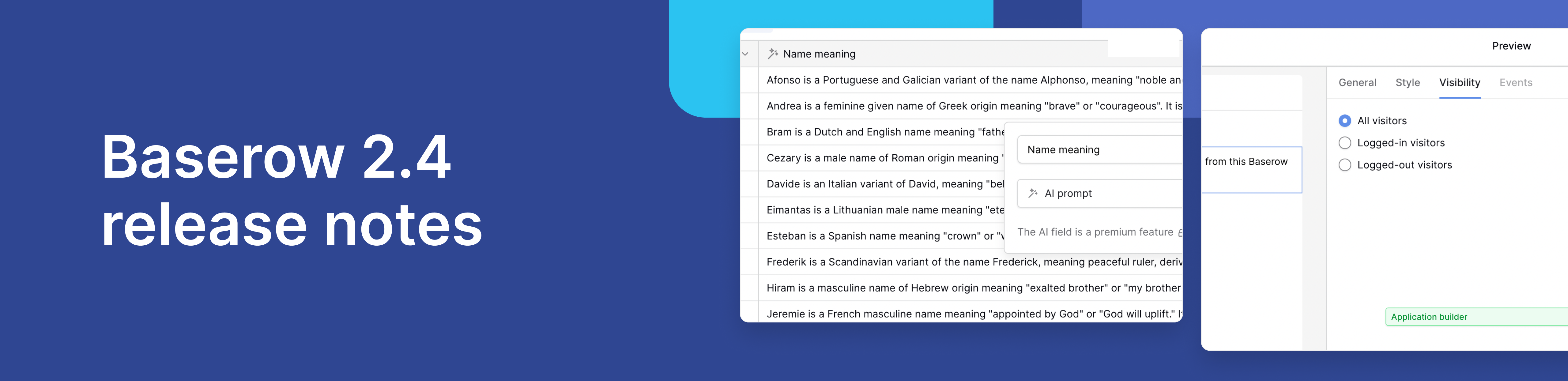
Baserow 2.4 adds Button fields, Graph elements, workflow automation, AI provider management, improved Group By views, and 30+ more updates.

Discover how Airtable and Baserow compare in features, flexibility, speed, and scalability. Compare pricing plans and hidden costs to make an informed decision!

Explore the best open-source software alternatives to proprietary products. Discover OSS tools, licenses, and use cases with our updated directory.