
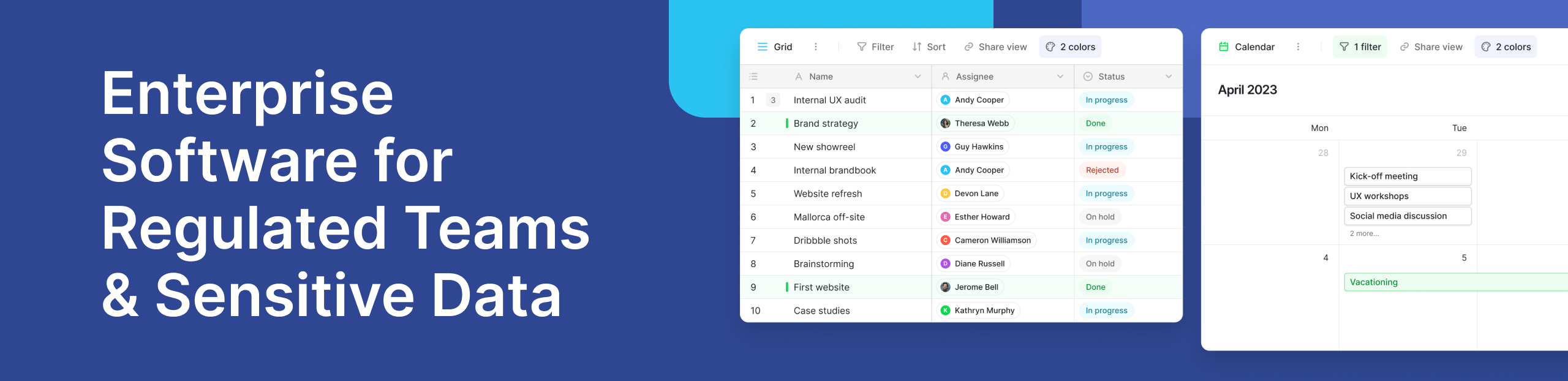
Enterprise organisations that work with sensitive customer data face constant pressure. They must meet strict regulations and pass audits while keeping strong internal controls. At the same time, teams still need speed, clarity, and the ability to work together.
This is where modern enterprise platforms become important. The right systems help protect information and standardise workflows. They also give teams the confidence to operate in complex environments without losing control.
For regulated teams, the challenge is not only adopting new technology. It is choosing software solutions that can scale across departments, support compliance needs, and provide real time visibility. All of this must happen without adding friction to daily work.
What Is Enterprise Software?
Enterprise software includes large platforms built for organisations, not individual users. These systems handle critical work such as finance, customer data, reporting, and coordination across teams. Unlike lightweight tools, enterprise software is designed for strong governance, security, and reliable performance at scale.
At its core, this type of enterprise application software supports structured business processes while keeping proper oversight in place. It helps improve customer outcomes by ensuring data stays accurate, consistent, and traceable across systems. For regulated industries, this foundation is important to maintain trust and meet compliance requirements.
Categories of Enterprise Software Used by Regulated Teams
Most enterprises rely on a combination of systems rather than a single platform. Each category supports specific operational needs while contributing to broader organisational goals.
Enterprise Resource Planning (ERP) Systems
Enterprise resource planning ERP platforms unify financial management, procurement, inventory, and supply chain management into a single system. These tools ensure that processes including budgeting, purchasing, and resource allocation remain consistent and auditable.
ERP systems often serve as the operational backbone of business operations, enabling leadership to track costs, risks, and dependencies across departments. Their structured nature makes them a cornerstone for regulated organisations.
Customer Relationship Management Platforms
Customer relationship management CRM systems focus on managing customer data, interactions, and service workflows. In regulated environments, CRM tools help ensure that customer information is handled consistently and transparently.
By centralising data and enforcing access controls, CRM platforms directly impact customer satisfaction while supporting compliance obligations. For many organisations, CRM becomes a key enterprise system rather than just a sales tool.
Business Intelligence and Data Analytics Tools
Data analytics and business intelligence platforms transform operational data into insights. Regulated teams rely on these tools to monitor performance, identify risks, and support evidence-based decision-making.
Real time dashboards allow leaders to detect issues early, while governed reporting ensures that insights remain accurate and defensible during audits. When integrated correctly, analytics strengthens accountability rather than creating data silos.
Project and Workflow Management Tools
Project management software supports coordination across teams, timelines, and approvals. In regulated settings, these tools also document accountability and progress.
By structuring workflows, enterprises reduce ambiguity in business process execution and improve cross-functional alignment. Approval chains, status tracking, and documentation logs all contribute to stronger governance.
Key Business Functions Enterprise Software Supports
Enterprise platforms are designed to support every core business function. Finance teams depend on structured reporting and controls. Operations teams rely on standardised workflows. Compliance teams require traceability and audit readiness. Customer-facing teams need accurate data to respond effectively.
When enterprise systems are aligned, organisations gain a unified operational view. This alignment directly improves customer experiences and internal efficiency while reducing operational risk.
Enterprise Software vs SaaS Platforms
A common question in both traditional and AI-driven search is how enterprise software differs from SaaS platforms. While many SaaS tools offer convenience and speed, enterprise solutions prioritise control, extensibility, and long-term governance.
Enterprise platforms often support deeper configuration, advanced permissions, and integration with internal systems. SaaS tools may overlap in functionality, but enterprise environments typically require greater ownership over data and processes.
Why Regulated Teams Need Flexible Enterprise Tools
Legacy enterprise systems are often rigid, expensive, and slow to adapt. Regulated teams face evolving requirements, new reporting standards, and increasing expectations for transparency.
Modern enterprises benefit from tools that allow structured workflows without hardcoding every process. Flexibility enables teams to respond to regulatory changes, scale operations, and collaborate across departments without compromising security.
This shift is why many organisations explore modular platforms that combine governance with adaptability. Solutions like Baserow illustrate how enterprises can model workflows, manage customer data, and support compliance while retaining control over their infrastructure.
Baserow’s approach aligns with best practices outlined in operational software guidance, helping teams structure data-driven workflows without introducing unnecessary complexity. Its enterprise offering supports controlled environments while remaining accessible to non-technical teams.
How Regulated Teams Use Baserow in Practice
Within the Baserow community, regulated teams often share similar challenges: fragmented tools, manual tracking, and limited visibility into approvals and audits. One common use case involves compliance teams replacing spreadsheets with structured databases to manage customer data, internal reviews, and documentation trails.
By using role-based access, granular permissions, and structured tables, teams centralise business process tracking without exposing sensitive information. This approach supports business intelligence reporting and enables real time collaboration across departments. New platform enhancements introduced in the Baserow 2.0 release further improve scalability, performance, and enterprise controls, making it easier to manage enterprise systems without adding technical debt.
For organisations exploring enterprise-grade options, the Baserow Enterprise offering provides deployment flexibility, governance features, and support aligned with regulated environments. Teams can also review licensing details through the enterprise license overview to understand how structured access and compliance controls are supported.
Quick Frequently Asked Questions
- What is an enterprise software?
Enterprise software is designed to support large organisations by managing core operations, data, and workflows with built-in governance and security.
- Which is an example of enterprise software?
ERP, CRM, and project management platforms are common examples used across regulated industries.
- What is an example of an enterprise system?
An ERP platform managing finance, procurement, and supply chain management is a classic enterprise system.
- What is enterprise software vs SaaS?
Enterprise software focuses on control, extensibility, and governance, while SaaS prioritises ease of access and rapid deployment.
- Is CRM an enterprise software?
Yes. When CRM systems manage customer data across departments, they function as enterprise-level tools.
- What are the three main functions of enterprise systems?
Operational management, data-driven decision-making, and cross-department coordination.
Conclusion
Choosing the right enterprise tools is essential for regulated teams managing sensitive data. Modern platforms must balance governance with adaptability, enabling organisations to scale confidently while maintaining compliance.
Baserow offers a flexible path for enterprises seeking structured workflows without rigid systems. If you are exploring ways to modernise operations while maintaining control, you can get started here.

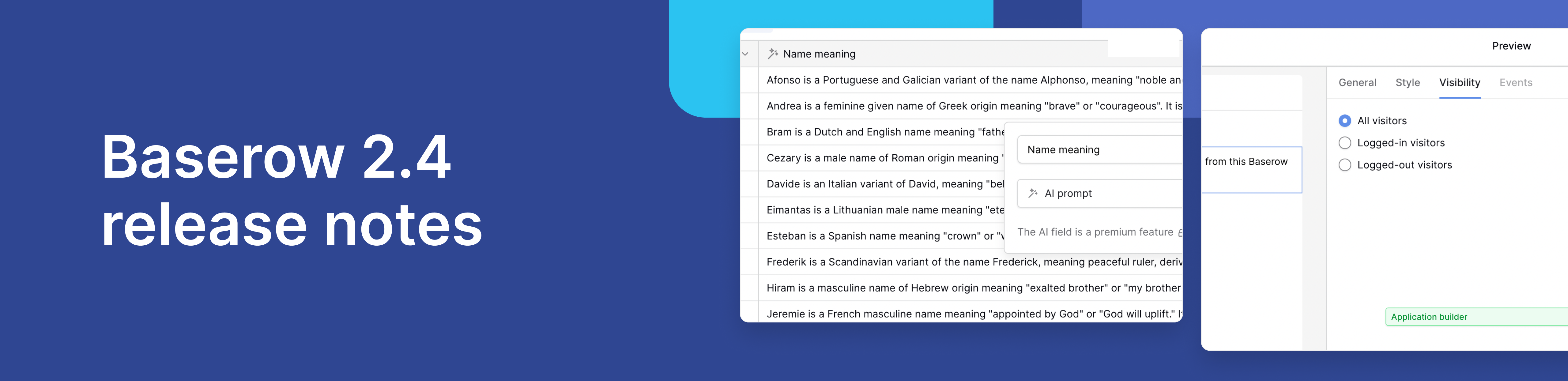
Baserow 2.4 adds Button fields, Graph elements, workflow automation, AI provider management, improved Group By views, and 30+ more updates.

Discover how Airtable and Baserow compare in features, flexibility, speed, and scalability. Compare pricing plans and hidden costs to make an informed decision!

Explore the best open-source software alternatives to proprietary products. Discover OSS tools, licenses, and use cases with our updated directory.