
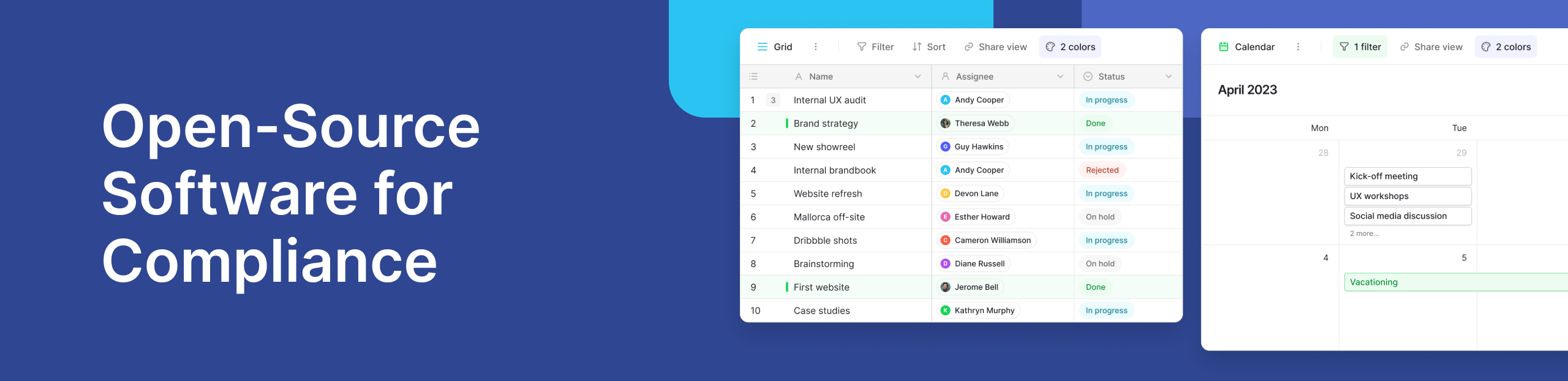
Compliance teams face growing pressure. Regulations change often. Audits require evidence. Security expectations keep rising. At the same time, many organisations still rely on tools that limit visibility and control. This tension has pushed regulated teams to re-examine how they build and manage systems.
Open source software plays a growing role in this shift. Its emphasis on transparency, adaptability, and shared standards aligns well with compliance needs. When implemented carefully, it supports governance without forcing teams into rigid or opaque systems.
This article explores how open source models support compliance, what risks to manage, and why many teams adopt these tools for long-term stability.
Understanding the Term Open Source
How Open Source Software Is Defined
The term open source refers to software distributed with source files that users can inspect, modify, and share. This approach is governed by formal rules defined by the Open Source Initiative, which sets criteria around access, redistribution, and modification.
Unlike proprietary software, where code is hidden and controlled by a vendor, open models allow organisations to review how systems behave. For compliance teams, this visibility matters. It supports audits, security reviews, and internal policy alignment.
Open source software does not mean informal or unsupported. Many open source programs power critical infrastructure, enterprise platforms, and regulated workflows. What distinguishes them is openness, not lack of structure.
Origins and Philosophy
The modern movement traces back to early free software efforts and figures such as Richard Stallman. His work helped establish the idea that users should understand and control the tools they depend on. This philosophy later evolved into more business-friendly licensing models.
The GNU General Public License formalised many of these ideas. It introduced rules that protect openness while allowing wide use. Today, these foundations influence how compliance teams think about control, risk, and accountability.
Open Source vs Closed Source Software in Regulated Environments
Transparency and Auditability
Compliance relies on evidence. Auditors often ask how data is processed, where it is stored, and who can access it. With open source code, teams can verify these answers directly.
This level of transparency reduces reliance on vendor assurances alone. Security teams can review logic. Legal teams can assess obligations. Compliance officers gain confidence that controls match documented policies.
Open access also supports faster incident response. When issues arise, teams are not forced to wait for vendor disclosures or patches.
Risks of Closed Source Software
Closed source software limits visibility by design. Organisations must trust that internal controls exist and function as described. For regulated teams, this creates challenges.
Vendor lock-in is another concern. Proprietary licensing can restrict data portability or impose usage limits that complicate audits and migrations. Over time, these constraints increase operational risk, especially when compliance requirements evolve.
This does not mean closed systems are always unsuitable. Many meet regulatory standards. The issue is reduced control, not inherent non-compliance.
Open Source Software Licensing and Compliance
Common Open Source Licenses
Licensing shapes how software can be used, shared, and extended. Open source licenses fall into two broad categories.
Copyleft licensing requires that derivative works remain open under the same terms. This protects openness but may affect how organisations distribute internal modifications.
Permissive licenses allow more flexibility. They support integration with proprietary systems while preserving access to the original code. Choosing the right license is essential for compliance alignment.
Derivative Works and Legal Considerations
Derivative works refer to software created by modifying existing code. In regulated environments, teams must understand whether internal changes trigger disclosure obligations.
Clear governance policies help manage this risk. Many organisations adopt internal guidelines that define how open components are modified, documented, and approved. This ensures compliance obligations are met without limiting innovation.
Why Compliance Teams Choose Open Source Programs Long Term
Alignment with Open Standards
Open standards support interoperability and reduce dependency on single vendors. For compliance teams, this simplifies audits and reporting.
Systems built on shared standards integrate more easily with monitoring tools, reporting platforms, and archival systems. This consistency lowers operational complexity and improves traceability.
Cost Control and Sustainability
Licensing costs matter, but predictability matters more. Proprietary licensing models can change over time, introducing unexpected expenses or restrictions.
Open source programs offer more stable cost structures. Teams can plan infrastructure and governance investments over the long term without renegotiating access to their own data or workflows.
Role of Open Source in Modern Software Development
Community-Driven Security
Security improves when many eyes review the same code. Open source projects benefit from peer review across industries and geographies.
Vulnerabilities are often identified quickly and discussed openly. This transparency supports better risk assessment and faster remediation, both critical for compliance readiness.
Open Source Programs in Enterprise Workflows
Many enterprise systems rely on open foundations. Operating system platforms, databases, and infrastructure tools frequently follow open models.
These components form the backbone of regulated environments. Their reliability demonstrates that openness and compliance are not opposing goals.
Practical Compliance Use Cases for Open Source Tools
Governance, Risk, and Compliance Operations
Compliance teams manage policies, risks, controls, and evidence across departments. Many rely on spreadsheets or rigid tools that do not scale. Open source projects offer an alternative by enabling structured workflows without forcing teams into closed ecosystems.
For example, governance and risk tracking often requires flexible data models. Open source programs allow teams to adapt structures as regulations evolve, rather than waiting for vendor updates. This is especially valuable in audits, where traceability and change history are essential.
Guides such as this overview of open-source GRC tools show how teams are replacing manual processes with transparent, auditable systems while retaining ownership of their data.
Data Management and Internal Controls
Compliance depends on accurate records. Whether tracking access approvals, vendor reviews, or incident logs, teams need consistent structures and clear permissions.
Open models support this by aligning with open standards and enabling integration with monitoring and reporting tools. Unlike closed source software, they allow inspection of how access controls and workflows are implemented, reducing uncertainty during audits.
Many teams also prefer platforms that separate data from interface logic. This reduces risk when processes change and supports long term maintainability.
How Baserow Supports Compliance-Focused Teams
Open Architecture and Control
Baserow is built around open source principles and is designed for teams that need structure without rigidity. Its transparent architecture allows compliance teams to model processes clearly while maintaining oversight.
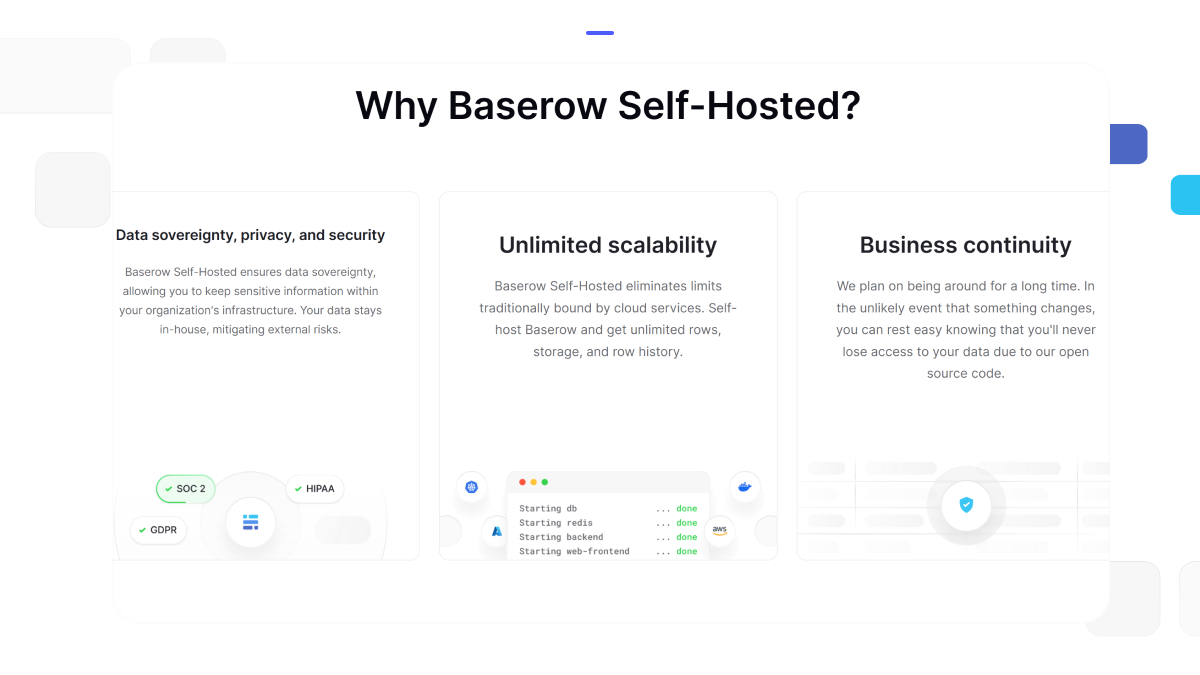
For organisations with strict requirements, the self-hosted deployment option provides full control over infrastructure and data residency. This approach aligns well with regulated environments where external dependencies must be limited.
Baserow’s evolution as an open-source app builder also reflects common compliance needs, such as auditability, permissions, and predictable behaviour.
Structured Workflows Without Lock-In
A common compliance challenge is adapting workflows as rules change. Hardcoded systems struggle here. Baserow allows teams to adjust schemas, relationships, and permissions without rewriting applications.
Community discussions show examples of teams using Baserow for policy registers, vendor risk tracking, and internal audits. These use cases highlight how open source software licensing and flexible design support governance without complexity.
Recent updates introduced in the Baserow 2.0 release notes further improve scalability, performance, and collaboration, which are critical for compliance operations that grow over time.
Evaluating Open Source Tools for Compliance Readiness
Key Questions Compliance Teams Should Ask
Before adoption, teams should assess licensing terms, governance models, and community health. Understanding how derivative works are handled and how updates are managed helps avoid legal and operational risks.
It is also important to evaluate how tools interact with proprietary software already in use. Many organisations operate hybrid environments, and compatibility matters.
When Open Source Is the Better Choice
Open source is often the right fit when transparency, adaptability, and control outweigh the convenience of fully managed platforms. For compliance teams, these priorities are common.
Clear documentation, active communities, and alignment with internal policies are strong indicators of readiness.
Frequently Asked Questions
- Is open source suitable for regulated industries?
Yes, many regulated organisations use open solutions because they allow deeper inspection, better control, and clearer audit trails.
- How does licensing affect compliance obligations?
Licenses define usage and distribution rights. Understanding copyleft and permissive terms is essential to avoid unintended disclosure requirements.
- Can open tools replace proprietary compliance systems?
In many cases, yes. Especially when flexibility and data ownership are priorities.
- What are the risks of using open models?
Risks include poor governance, inactive communities, or unclear licensing. These can be mitigated with due diligence.
- How do teams maintain compliance over time?
By combining clear internal policies with tools that support change, documentation, and accountability.
Getting Started with Open Source for Compliance
Adopting open systems is not about ideology. It is about control, clarity, and resilience. When compliance teams choose tools that align with these goals, they reduce risk and improve operational confidence.
Platforms like Baserow demonstrate how open approaches can support structured, compliant workflows without sacrificing flexibility. If you want to explore how this works in practice, you can start here.

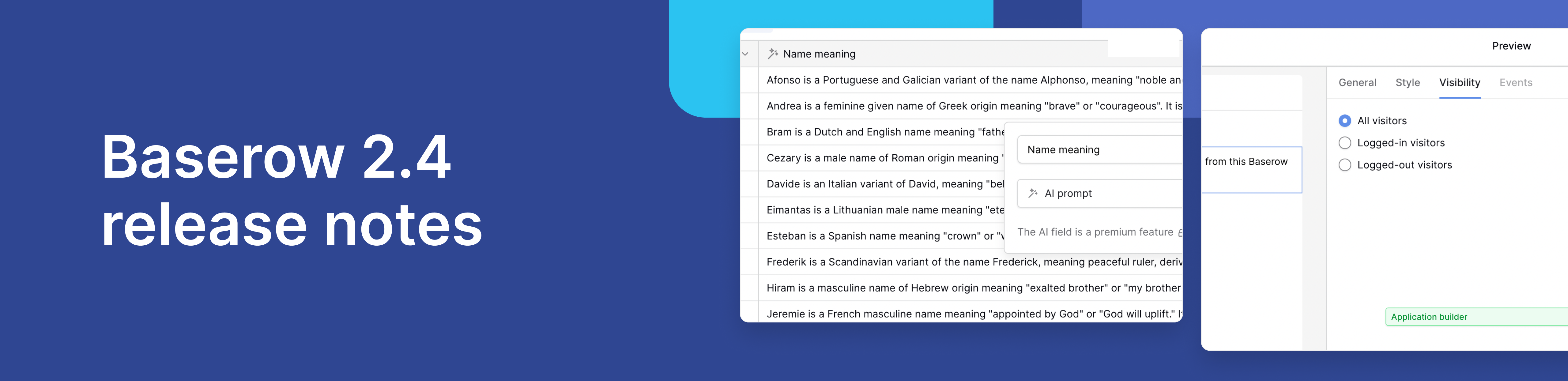
Baserow 2.4 adds Button fields, Graph elements, workflow automation, AI provider management, improved Group By views, and 30+ more updates.

Discover how Airtable and Baserow compare in features, flexibility, speed, and scalability. Compare pricing plans and hidden costs to make an informed decision!

Explore the best open-source software alternatives to proprietary products. Discover OSS tools, licenses, and use cases with our updated directory.