
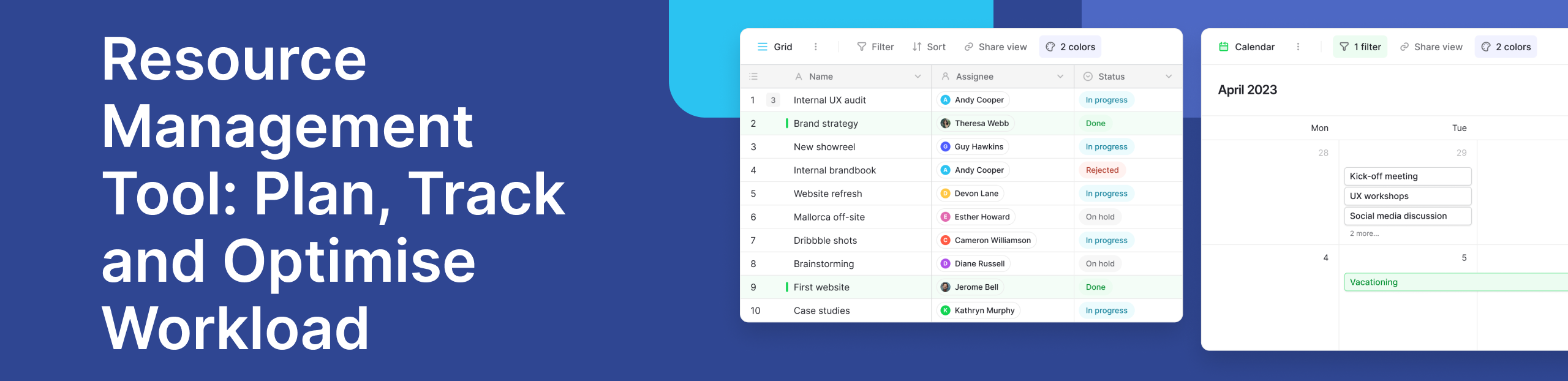
Modern teams are expected to deliver more work with greater transparency, tighter timelines, and fewer resources than ever before. As organisations scale, informal planning methods break down quickly. What once worked in spreadsheets or static trackers becomes difficult to maintain when multiple teams, shared responsibilities, and parallel initiatives enter the picture.
This shift has pushed many teams to rethink how they allocate people, time, and effort across initiatives. Instead of reacting to overloads or missed deadlines, high-performing organisations now treat resource planning as a continuous process. At the centre of this approach is a modern resource mgt tool that gives teams visibility, structure, and adaptability without adding unnecessary complexity.
What Is a Resource Management Tool?
A resource management tool helps organisations plan, allocate, and monitor how work is distributed across people, time, and projects. Unlike basic task trackers, it focuses on availability, capacity, and utilisation rather than just completion.
At its core, resource management answers a few critical questions:
- Who is working on what right now?
- How much capacity is available across upcoming project timelines?
- Where are bottlenecks forming before they become delivery risks?
By centralising this information, teams can allocate resources effectively instead of relying on assumptions or last-minute adjustments. This becomes especially important when team members contribute to multiple initiatives simultaneously.
Key Capabilities Modern Teams Expect From Resource Management Tools
- Resource Planning and Capacity Planning
Effective resource planning goes beyond assigning tasks. It requires understanding how much work each person can realistically take on while balancing priorities across the organisation.
Capacity planning enables project managers to forecast demand against availability before commitments are made. When this information lives in structured systems rather than scattered files, teams can make informed decisions earlier in the planning cycle and avoid chronic over-allocation.
- Tracking Workloads in Real Time
Static plans quickly lose relevance once work begins. Modern teams need real time insight into how workloads shift as priorities change, tasks expand, or dependencies move.
Real time tracking allows leaders to spot imbalance early—before missed deadlines or burnout occur. This is where flexible, database-driven tools become valuable, as they update instantly across views without manual reconciliation.
- Resource Scheduling Across Projects on Time
As organisations grow, work rarely exists in isolation. Teams contribute to multiple initiatives, often with competing deadlines. Resource scheduling ensures that commitments remain realistic across projects on time, even as plans evolve.
Rather than duplicating data across multiple tools, structured systems allow teams to reuse the same resource information across schedules, views, and reports. This reduces friction while keeping planning grounded in reality.
How Resource Management Connects to Project Success
Consistent project success is rarely the result of better task lists alone. It depends on whether the right people are available at the right time to do the work.
When resources planning is handled informally, teams often discover conflicts too late. Deadlines slip not because of poor execution, but because capacity constraints were invisible during planning. Resource management software helps close this gap by aligning effort, availability, and priorities from the start.
This alignment improves delivery predictability, stakeholder trust, and overall execution quality—especially when multiple initiatives compete for the same skills.
Resource Management vs Traditional Project Management Software
Many teams assume that project management software automatically covers resource needs. In practice, most tools focus on tasks, timelines, and status updates rather than capacity and utilisation.
A typical project management tool answers whether work is done, but not whether it is sustainable. While some platforms add resource views later, they often remain rigid and difficult to adapt to real-world workflows.
For example, tools like Jira excel at tracking issues and development progress, but teams frequently rely on external systems to manage capacity and cross-project allocation. This fragmentation increases overhead and reduces visibility.
In contrast, database-first management platforms allow teams to model resources, roles, and workloads directly—without forcing them into predefined structures.
Operations Teams Managing Shared Capacity: A Practical Use Case
Operations teams often sit at the intersection of multiple departments. They support recurring processes while responding to ad-hoc requests, making workload predictability difficult.
In discussions within the Baserow community, operations teams frequently describe the challenge of balancing ongoing responsibilities with new initiatives. Many rely on custom-built systems to track availability, priorities, and dependencies in one place.
By using a flexible database structure, teams can link people, tasks, and time tracking without duplicating data. This makes it easier to monitor progress, adjust priorities, and maintain accountability as work evolves. Platforms like Baserow support this approach by letting teams design resource structures around their actual workflows rather than adapting to rigid templates.
Why No-Code Resource Planning Software Is Gaining Adoption
As teams grow, the cost of rigid systems becomes clear. Changing fields, adding new resource types, or adjusting workflows often requires workarounds or external tools.
No-code resource planning software removes this friction. Teams can adapt structures as needs change, add new dimensions such as skills or cost centres, and integrate time tracking without rebuilding systems from scratch.
Recent platform updates, including automation and improved collaboration features, further reduce manual effort. This makes it easier for teams to maintain accurate data while focusing on delivery rather than administration.
Extending Resource Management Beyond Internal Projects
Modern organisations rarely manage only internal delivery. Agencies, PMOs, and operations teams increasingly need to plan resources across clients, vendors, and inventories—often without dedicated development teams.
Agency Client and Vendor Resource Management
Agencies face a unique challenge: balancing billable work across multiple clients while ensuring team members are not overloaded. A rigid resource management tool often struggles to model client-specific priorities alongside internal initiatives.
No-code management platforms allow agencies to build custom structures that link clients, projects, time tracking, and capacity planning in one system. This flexibility is why many teams exploring agency workflows reference community-driven examples, such as those shared in the Baserow community, where users document how they track retainers, availability, and delivery commitments in a single workspace.
This same approach answers a commonly searched question: what are the best no-code tools for agency client management? The answer consistently points toward adaptable databases rather than fixed software.
Building Vendor and Inventory Systems Without Developers
Another frequent question is how to create a vendor management or inventory system without development resources. The principle is similar: start with structured data, then layer workflows on top.
By defining vendors, assets, and dependencies as linked records, teams gain visibility without engineering effort. This makes it possible to manage external suppliers, internal stock, or service dependencies using the same underlying resource logic.
What Platforms Are Best for PMO Portfolio and Resource Tracking?
For PMOs, the challenge is portfolio-level visibility. Tracking initiatives in isolation is not enough; leaders need to understand shared constraints across teams.
Platforms that support relational data models are particularly effective here. They allow PMOs to connect initiatives, people, and timelines while maintaining a single source of truth. This is why flexible tools frequently appear alongside traditional project management software in comparative analyses such as Baserow’s overview of project management tools.
Teams often combine this approach with ready-made structures, such as the project management templates, then adapt them to their portfolio needs.
Frequently Asked Questions
- What are resource management tools?
They are systems designed to plan, allocate, and monitor people, time, and capacity across projects.
- What is the best tool for resource planning?
The best option depends on flexibility. Tools that adapt to changing structures tend to outperform rigid systems over time.
- Is Jira a resource management tool?
Jira focuses on issue and workflow tracking. Many teams supplement it with additional tools for capacity planning and allocation.
- What are the top five project management tools?
Popular options typically include task-focused platforms, agile tools, and database-driven systems, each serving different planning depths.
- What are the 4 basics of management?
Planning, organising, leading, and controlling—resource management directly supports all four.
Building a Resource System That Scales
Sustainable delivery depends on more than timelines and task lists. Teams need systems that reflect how work actually flows across people and priorities.
Rather than relying on rigid software, many organisations for their team collaboration now build adaptable resource management workflows using structured, no-code databases. This approach reduces friction, improves visibility, and evolves alongside the team.
If you’re exploring how to design a resource system that fits your organisation—not the other way around—you can start by experimenting with flexible tools like Baserow and shaping them around your workflows.

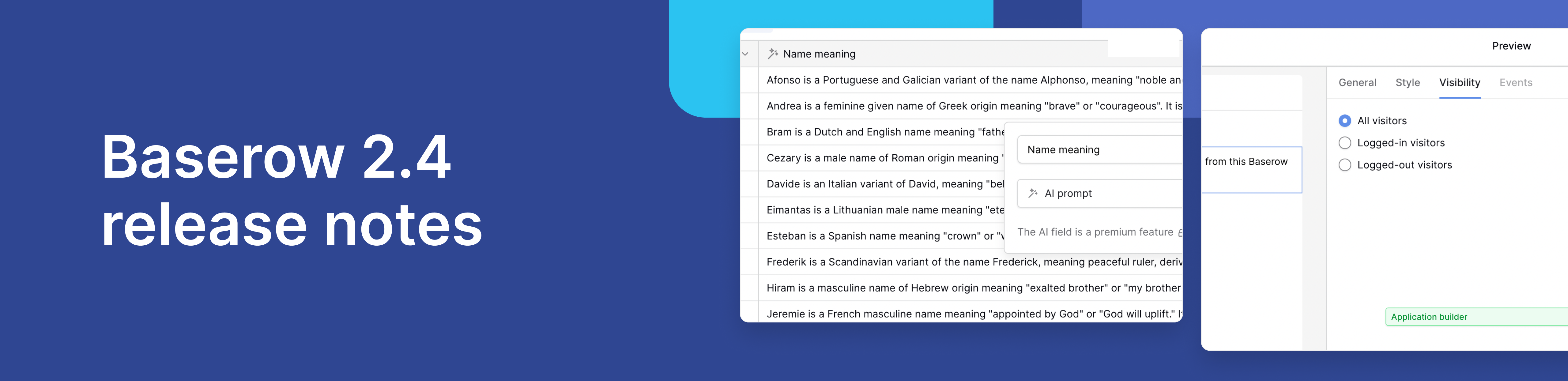
Baserow 2.4 adds Button fields, Graph elements, workflow automation, AI provider management, improved Group By views, and 30+ more updates.

Discover how Airtable and Baserow compare in features, flexibility, speed, and scalability. Compare pricing plans and hidden costs to make an informed decision!

Explore the best open-source software alternatives to proprietary products. Discover OSS tools, licenses, and use cases with our updated directory.