
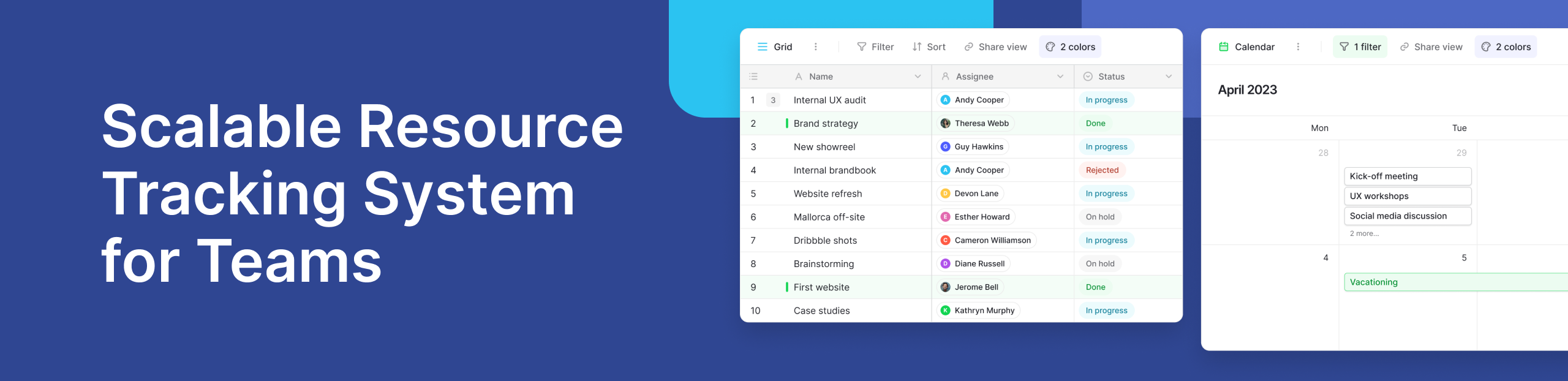
Managing resources across fast-moving digital projects has become increasingly complex. Teams operate across multiple workstreams, timelines shift frequently, and dependencies can change overnight. Without a unified way to track workload, availability, and progress, even the most capable teams struggle to deliver on time. This is exactly why organizations are turning to a scalable resource tracking system—one that grows with their needs, adapts to changing priorities, and provides real time visibility across the entire operation. Teams that want to manage projects more reliably often discover that a structured approach to resourcing dramatically improves delivery predictability.
Resource challenges typically arise when teams rely on spreadsheets or disconnected project manager tools that fail to offer a complete view of who is doing what and when. As work becomes more distributed, leaders need a central hub that supports structured information, accurate resourcing decisions, and clear project timelines. Platforms like Baserow bring this type of structured visibility to teams without requiring coding expertise. Its flexible database foundation allows organizations to model their operations in a way that fits their workflows, not the other way around.
In this guide, we’ll break down what a resource tracking system is, why teams outgrow traditional approaches, and how a modern approach improves capacity planning, workload management, and overall efficiency.
What Is a Resource Tracking System?
A resource tracking system is a centralized method for organizing, monitoring, and analyzing how team members, tools, and time are used across ongoing work. At its core, it supports clearer resource allocation, better forecasting, and more reliable decision-making.
For example, tracking of resources typically covers:
- Which team members are assigned to which tasks
- The time spent on project work
- Overlaps, overloads, and scheduling gaps
- Overall resource utilization across multiple projects
This system becomes especially important as teams scale. A growing team handles more work, more stakeholders, and more dependencies—something simple spreadsheets or static tools can’t manage long term. A scalable resource tracking system ensures the structure remains strong even as the amount of data, number of contributors, and project complexity increase.
For teams that haven’t yet adopted flexible systems, understanding relational data can feel intimidating. However, resources like this practical guide on building structured databases show how even beginners can set up well-organized data layouts. These foundational skills make it easier for teams to track capacity, time, and work distribution effectively.
A unified view like below helps teams quickly understand who is working on what, what’s in progress, and where attention is needed. This kind of centralized layout forms the foundation of an effective resource tracking system by making workloads transparent and easy to analyze.
%20(1).png)
Why Resource Allocation Fails in Growing Teams
As teams grow, the cracks in outdated systems begin to show. Below are the most common reasons teams struggle with managing resources effectively.
- Lack of Unified Resource Planning
Teams often rely on a mix of tools—spreadsheets for tracking time, chat apps for sharing updates, and external platforms to manage tasks. This fragmented ecosystem makes it nearly impossible to understand true workload. When multiple project timelines overlap, managers often resort to guesswork rather than accurate data.
Many leaders reference the 15-15 rule in project management—15% of the project timeline is at risk when planning lacks clarity, and another 15% is lost due to unforeseen inefficiencies. Without a system capturing data consistently, this risk becomes even larger.
Organizations with IT teams using centralized workspace tools, tend to experience fewer planning gaps because their data sits in one place and can be accessed easily.
- Missing Real Time Visibility
Static tools do not update automatically, meaning managers often operate on outdated information. During critical phases—such as tight sprints, launches, or cross-department handoffs—this delay can derail progress.
Real time visibility helps identify potential conflicts early, avoid bottlenecks, and adjust workloads before issues escalate. Community discussions highlight how real-time updates help teams avoid last-minute surprises and keep project alignment intact.
- Poor Reporting and Limited Insights
When resource data is scattered across various locations, leaders cannot form informed decisions about project health or team capacity. Many project manager tools offer limited reporting views or fail to capture granular insights like time spent per task or resource utilization trends.
Customizable dashboards solve this by allowing teams to design visualizations that reflect their exact workflow. Tools that support this—such as Baserow with its adaptable views—give teams a meaningful advantage in their ability to monitor progress and adjust quickly.
Essential Features of a Modern Resource Tracking Software
Selecting the right resource tracking software goes beyond simply logging hours or allocating tasks. A modern system must help teams understand their workload, forecast upcoming demands, and respond quickly when scope changes. Below are the essential capabilities that make this possible. Unlike traditional resource tracking tools that offer limited flexibility, modern systems need to adapt quickly as workloads evolve across teams.
- Time Tracking and Time Spent Visibility
Accurate time tracking ensures teams understand how long work actually takes. This insight is useful not only for monitoring progress but also for evaluating whether project plans are realistic. When teams review historical time spent on similar activities, they can plan more accurately for the future.
Platforms that allow structured time entries—rather than unorganized notes or disconnected logs—help teams capture patterns and estimate workloads more effectively. This is one reason why relational tools like Baserow are increasingly used by operational teams that want customizable time tracking views tailored to their workflow.
- Resource Allocation and Capacity Planning
One of the most common questions in project management is: What is the best way to track resource allocation? The answer is simple—use a structured system that accounts for each team member’s workload, availability, and responsibilities across multiple projects.
Capacity planning helps teams avoid overload, maintain realistic timelines, and distribute work evenly. The most reliable systems connect resource allocation directly with project timelines, giving teams a more complete picture.
Human Resources teams often use Baserow to manage workload distribution, competencies, roles, and availability—demonstrating how adaptable structured databases can be in complex resourcing environments.
- Customizable Dashboards for Clear Decision-Making
Static dashboards rarely work for teams managing evolving workloads. Instead, resource tracking systems need customizable dashboards that reflect how teams actually work. Flexible visualizations help leaders understand utilization trends, identify gaps, and make informed decisions faster.
Teams that use customizable dashboards often report improved cross-department alignment because everyone sees the same data in a consistent format. Baserow’s ability to build tailored dashboards and views is a common reason users highlight it in community discussions, especially when dealing with fast-moving, multi-team projects.
- Integration With Project Manager Tools
Resource tracking becomes even more valuable when integrated with the tools teams already use. For example, connecting task management systems with time tracking data creates a unified picture of progress. Modern project ecosystems rely heavily on integration, and platforms that support open standards and API-first architecture—like Baserow—enable deeper automation and more reliable reporting.
External sources such as Atlassian’s Agile reporting framework emphasize this same principle: alignment improves dramatically when resource and project data flow together. This alignment reduces manual duplication and ensures all decisions are based on accurate information.
Building a Scalable Resource Tracking System With Baserow
A scalable resource tracking system requires flexibility, structure, and the ability to adapt quickly as team demands evolve. This is where Baserow becomes especially useful. Though not positioned as a traditional project manager tool, it provides the underlying framework teams need to build systems tailored to their exact use cases.
External assessments like this no-code tools review also emphasize Baserow’s flexibility for teams that need to structure and scale their resource operations without engineering overhead.
Because it is API-first, teams can consolidate data from different sources and centralize it within a unified view. This makes it easier to track utilization, workload, and time commitments without relying on rigid templates.
Baserow’s asset management solution demonstrates how this flexible structure can support more than just people—it can track equipment, licenses, tools, and other operational resources essential to project success.
Many Baserow users share use cases in the community where they built custom resource allocation tables, timeline views, and capacity planning boards. These scenarios show how structured systems outperform one-size-fits-all software by adjusting to unique team needs.
Example for a Use Case
Consider a mid-sized engineering team managing multiple releases at once. They often struggled with overlapping deadlines, shifting priorities, and unclear ownership. Their previous spreadsheet-based approach made it difficult to see how much time each team member spent on ongoing work.
After mapping their data structure using Baserow, they created:
- A team availability table
- A project timelines table
- A time tracking log
- A workload dashboard
With all information centralized, they gained real time visibility into upcoming bottlenecks. They also automated checkpoints that alerted them when utilization exceeded acceptable thresholds. This structured approach allowed them to make informed decisions earlier, increasing predictability and reducing last-minute escalation.
How AI Is Transforming Resource Tracking
AI is increasingly shaping how organizations plan and allocate resources. It helps teams not just track workloads but also predict future demands.
Predictive Capacity Planning
AI can analyze historical time spent data, seasonal trends, and upcoming workloads to forecast when teams may face a shortage or overload. Predictive insights help leaders adjust timelines, reassign work, or onboard temporary support before problems occur.
Automated Insights for Informed Decisions
Modern AI systems generate recommendations for balancing workloads, reallocating tasks, or shifting deadlines based on risk patterns. When connected to structured data, AI becomes far more accurate—making platforms like Baserow an effective foundation for AI-enhanced resource operations.
This answers a key question many teams ask: Is there available AI automation for resource allocation? Yes—modern tools offer predictive and automated allocation features, but their effectiveness depends on the quality of the underlying data.
Best Practices for Managing Resources Across Teams
Effective resource management requires more than good tools—it requires strong practices.
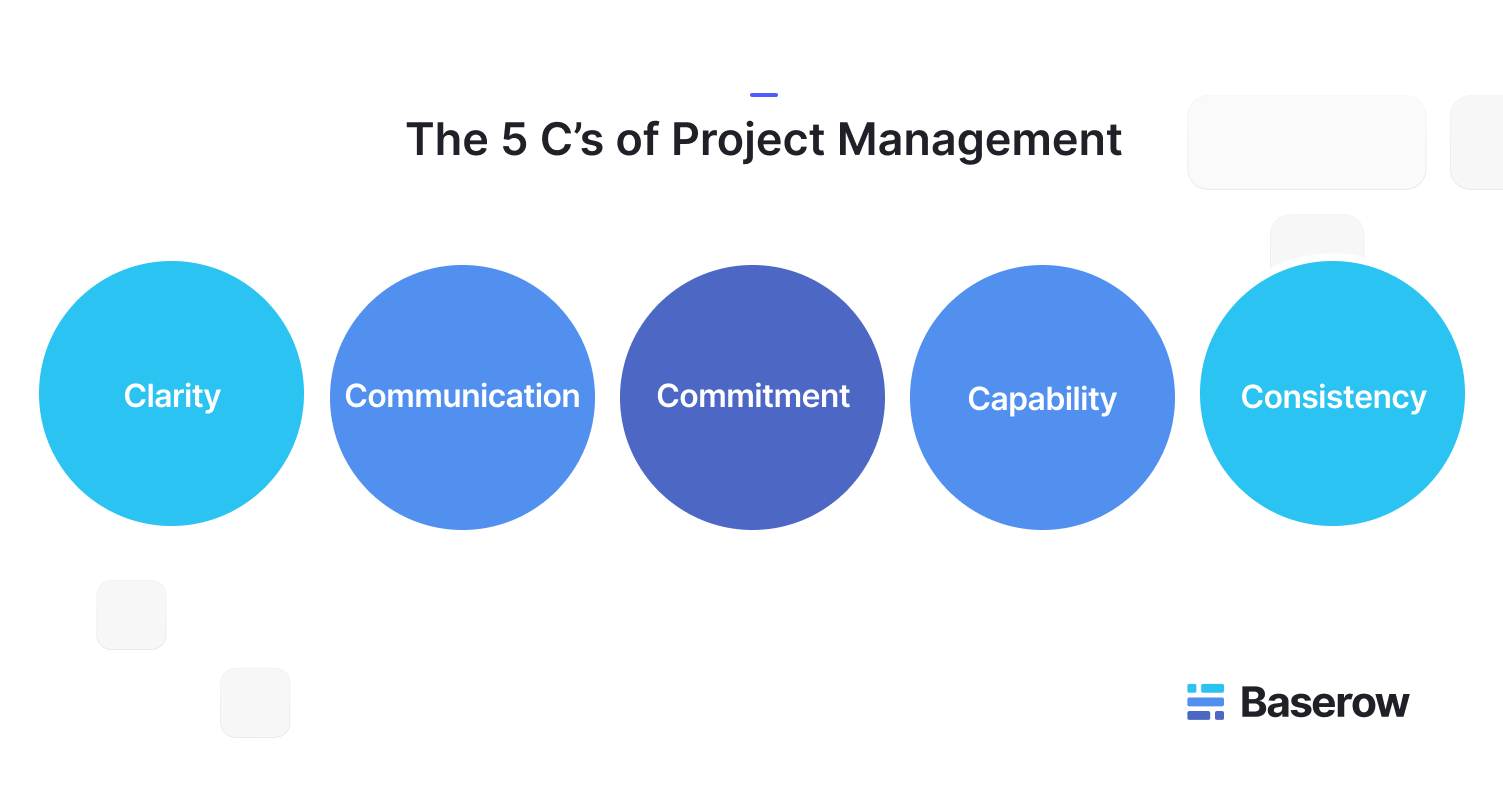
These principles guide successful resource planning by ensuring expectations, skills, and capacity are aligned from the start.
Aligning Project Timelines With Resource Demands
Smart planning integrates timelines directly with capacity, ensuring teams don’t overcommit. External references such as Smartsheet’s resource planning recommendations reinforce this approach—structure reduces risk and improves delivery reliability.
Frequently Asked Questions
- What is a resource tracking system?
A structured method for managing, monitoring, and analyzing how team members, tools, and time are used across tasks and projects.
- What is the 15-15 rule in project management?
It highlights that poor planning can jeopardize 15% of a project’s timeline, and inefficiencies can lead to another 15% being lost.
- What are the 5 C’s of project management?
Clarity, communication, commitment, capability, and consistency.
- What is the best way to track resource allocation?
Use a structured system that connects workload, availability, and project timelines in one place.
- Is there an available AI automation for resource allocation?
Yes, many tools use predictive analytics to forecast workload demands and recommend adjustments.
- What is tracking of resources?
The process of monitoring how resources—people, equipment, time—are used across tasks to ensure alignment with project goals.
Conclusion
A modern resource tracking approach gives teams the clarity and structure they need to manage workload efficiently, avoid bottlenecks, and stay aligned with shifting priorities. Whether you’re planning multiple project timelines, monitoring progress, or optimizing resource utilization, having structured and adaptable systems is essential.
If your team needs a flexible way to centralize resource data, explore how Baserow can help you build a custom workflow that grows with your operations.

Baserow 2.4 adds Button fields, Graph elements, workflow automation, AI provider management, improved Group By views, and 30+ more updates.

Discover how Airtable and Baserow compare in features, flexibility, speed, and scalability. Compare pricing plans and hidden costs to make an informed decision!

Explore the best open-source software alternatives to proprietary products. Discover OSS tools, licenses, and use cases with our updated directory.