
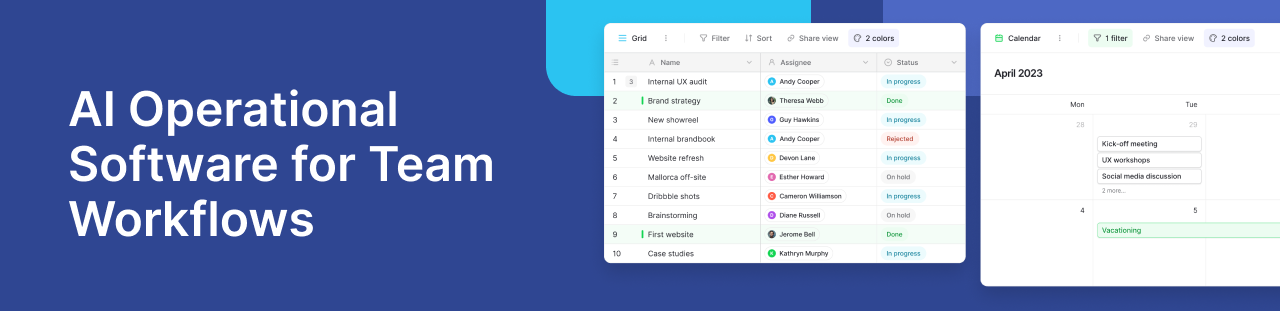
Operations teams manage many tasks every day. They handle approvals, customer requests, project updates, reports, and internal communication. As businesses grow, this work becomes harder to manage with spreadsheets and disconnected tools.
Many companies now use AI operational software to simplify daily operations. These platforms help teams automate work, organize data, and improve communication across departments.
Traditional systems often depend on manual updates. Teams move information between emails, spreadsheets, and different tools. This slows work down and creates mistakes.
AI-native platforms work differently. They connect workflows, automation, and operational data inside one system. This helps teams save time and improve operational efficiency.
Modern software can also support faster decisions. Teams can use predictive analytics, AI assistants, and automation tools to identify issues early and improve planning.
Platforms such as Baserow help businesses build flexible operational workflows without heavy coding. Teams can create internal tools, automate repetitive work, and organize business operations in one place.
In this guide, we will explain how AI operational software works, why businesses are adopting it, and how AI-native business apps support modern team workflows.
What Is AI Operational Software?
AI operational software helps businesses manage operations using artificial intelligence and automation. These platforms combine data, workflows, and AI tools inside one connected system.
Traditional software mainly stores information. AI-native systems go further. They help teams automate tasks, improve reporting, and support faster decisions. For example, AI powered systems can:
- automate repetitive tasks
- organize operational data
- generate reports automatically
- support approvals and workflows
- improve customer support operations
- track trends using predictive analytics
These systems help businesses reduce manual work and improve visibility across teams.
According to IBM AI Overview, artificial intelligence is increasingly used to automate processes and improve business performance. Modern platforms also make AI easier to use. Teams no longer need large development teams to build operational systems. No-code tools now allow businesses to create workflows with simple visual builders.
This is one reason AI-native business apps are growing quickly across operations, marketing, support, and internal management teams.
Key Features of AI Operational Software
Modern operational platforms combine automation, connected data, and AI technology to improve business workflows.
Here are some important features businesses should look for.
- AI Assistants
AI assistants help teams access information faster. Users can ask questions in simple language and receive quick answers from operational systems. This reduces time spent searching through records manually.
Baserow’s Kuma AI assistant helps teams manage workflows and operational data more efficiently. You can also explore operational workflow examples in AI Project Management Software Workflows.
- AI Automation
AI automation improves workflow management by handling repetitive tasks automatically. For example, systems can:
- assign requests automatically
- trigger approval workflows
- send notifications
- update records in real time
Automation improves consistency and helps teams work faster. Businesses using AI automation often improve operational efficiency because less work depends on manual updates. You can explore more automation examples in AI Automation Tools Guide.
- Predictive Analytics
Predictive analytics helps businesses identify patterns and risks using operational data. Teams can use machine learning models to:
- forecast delays
- monitor operational trends
- predict customer demand
- identify workflow bottlenecks
This helps teams enhance decision quality and improve long-term planning. According to Microsoft AI Business Solutions, AI models are increasingly used to improve forecasting and business planning.
- Connected Databases
Strong operational systems depend on connected data. Instead of storing information across multiple tools, businesses can organize records inside one shared platform. This improves:
- reporting accuracy
- collaboration
- operational visibility
- workflow management
The Baserow Community includes examples of teams building internal business apps, workflow systems, and operational dashboards using connected databases and AI workflows.
Real Use Cases of AI Operational Software
AI operational software supports many types of business workflows. Teams across different departments now use AI-native systems to improve speed, reduce manual work, and organize operations more clearly.
Here are some common examples.
- Customer Support Operations
Customer support teams manage large numbers of requests every day. They often work across chat systems, email platforms, spreadsheets, and ticketing tools. This can slow response times and create confusion. AI powered operational systems help support teams organize requests inside one workflow. For example, businesses can use AI tools to:
- route tickets automatically
- assign requests to the correct teams
- track response times
- generate support summaries
- monitor customer issues in real time
AI chatbot systems also help answer common questions faster. This improves customer satisfaction and reduces pressure on support teams. Modern operational systems also improve visibility for managers. Teams can quickly see delays, unresolved requests, and support trends inside shared dashboards.
- Marketing Operations Management
Marketing teams handle campaigns, approvals, content planning, and reporting at the same time. Without structured systems, operations become difficult to manage. AI operational software helps marketing teams organize workflows inside one connected platform. Teams can:
- manage campaign approvals
- track content production
- automate reporting
- organize requests from different departments
- monitor campaign progress in real time
Many teams also use generate AI features to create summaries, drafts, and workflow updates faster. You can explore more workflow examples in Marketing Operations Software for AI Teams.
- Internal Approval Workflows
Many businesses still manage approvals through email threads and manual updates. This creates delays because teams lose visibility into workflow status. AI-native operational platforms improve this process by automating approval systems. For example:
- requests can move automatically between departments
- managers receive instant notifications
- approvals can follow predefined workflow rules
- teams can track every update in real time
This helps businesses reduce delays and improve operational consistency. Connected approval workflows are especially important for finance, procurement, HR, and compliance teams.
- Inventory and Supply Chain Tracking
Operations teams also use AI software to improve inventory management and supply chain workflows. Traditional tracking systems often depend on manual reporting. This makes it harder to identify shortages or delays early. AI operational software improves visibility across inventory workflows. Teams can:
- monitor stock levels
- track supplier updates
- identify operational bottlenecks
- predict inventory shortages
- improve forecasting using predictive analytics
Machine learning models help businesses identify patterns faster than manual systems. This improves planning and reduces operational risks.
- Project Operations and Team Coordination
Many project teams manage work across multiple systems. Tasks, updates, approvals, and reports often live in separate tools. AI-native operational systems help teams centralize this work. Businesses can use operational platforms to:
- assign tasks automatically
- monitor deadlines
- organize project data
- track operational progress
- improve communication across teams
AI assistants also help teams find updates quickly using natural language processing. Instead of searching through spreadsheets or chat messages, users can ask direct questions and receive fast answers. This helps improve collaboration across departments.
How Baserow Supports AI-Native Operations
Modern operations teams need systems that are flexible, connected, and easy to scale. Baserow supports this by allowing teams to build operational workflows without complex development work.
Businesses can create:
- internal operational apps
- approval systems
- project trackers
- customer workflows
- operational dashboards
- collaborative databases
Teams can also connect workflows using APIs, automations, and integrations. This makes it easier to manage operations inside one platform instead of spreading work across disconnected systems.
- AI-Powered Workflow Support
Baserow also supports AI-native workflows through automation and AI powered features. Teams can use AI assistants to:
- summarize records
- organize operational updates
- improve reporting workflows
- support team coordination
- reduce manual administration work
These features help businesses improve operational efficiency without adding unnecessary complexity.
- Flexible No-Code Operations Management
One reason businesses adopt no-code operational systems is flexibility. Traditional enterprise software often requires long implementation cycles and expensive development work.
No-code systems allow operations teams to build workflows faster. Teams can adjust processes as business needs change without rebuilding entire systems. This is especially useful for growing businesses managing large scale operational workflows.
Real Examples From the Community
The Baserow Community includes many examples of teams building operational systems using connected databases and automation. Businesses use these workflows for:
- operations management
- CRM systems
- project coordination
- inventory tracking
- internal reporting
- customer operations
These examples show how flexible operational platforms can support different industries and business models.
Why AI-Native Business Apps Continue to Grow
Businesses now manage more operational complexity than ever before. Teams handle larger datasets, faster customer expectations, and more connected workflows across departments.
Traditional systems often struggle to support this scale. AI-native business apps help solve this problem by combining automation, connected databases, and intelligent workflows inside one platform. This allows businesses to:
- improve operational efficiency
- reduce manual work
- improve collaboration
- enhance customer experience
- support faster decisions
- scale workflows more effectively
According to IBM AI Overview and Microsoft AI Business Solutions, businesses across industries are increasing investment in artificial intelligence to improve operations and automate internal processes.
This trend is expected to continue as AI tools become easier to use and more accessible for operational teams.
Frequently Asked Questions
- What is the best AI for operations management?: The best AI platform depends on business needs. Many teams look for systems that combine automation, connected data, reporting, and workflow flexibility inside one platform.
- How does AI improve operational efficiency?: AI improves operational efficiency by reducing repetitive work, automating workflows, and improving visibility across operations. Teams can respond faster and make better decisions using connected data.
- What are AI-native business apps?: AI-native business apps are operational systems built with automation and artificial intelligence features included from the beginning. These platforms support smarter workflows and connected operations.
- Can AI automate business operations?: Yes. AI automation can support approvals, reporting, notifications, customer requests, workflow tracking, and many other operational tasks.
- What industries use AI operational software?: Many industries use AI operational software, including logistics, customer support, marketing, finance, healthcare, retail, and project management.
- How do AI assistants support operations teams?: AI assistants help teams access information faster, organize updates, summarize workflows, and reduce time spent on manual administration.
- Is no-code AI software suitable for enterprises?: Many enterprise teams now use no-code operational platforms because they allow faster workflow building and easier operational management without heavy development work.
- What features should AI operational software include?: Strong platforms often include automation, connected databases, predictive analytics, workflow management, AI assistants, and reporting tools.
Final Thoughts
AI operational software is changing how businesses manage daily work. Teams no longer need to depend on disconnected spreadsheets and manual workflows to run operations. AI-native systems help businesses centralize information, automate repetitive tasks, and improve operational visibility across teams.
Flexible platforms such as []aserow](https://baserow.io/product/overview) make this process easier by allowing businesses to build connected operational systems without complex coding. As operational complexity continues to grow, businesses that adopt connected AI workflows will often improve collaboration, reporting, and long-term scalability.
If you want to build AI-powered operational workflows for your team, you can signup with Baserow and start creating flexible operational systems for your business.

Baserow 2.4 adds Button fields, Graph elements, workflow automation, AI provider management, improved Group By views, and 30+ more updates.

Discover how Airtable and Baserow compare in features, flexibility, speed, and scalability. Compare pricing plans and hidden costs to make an informed decision!

Explore the best open-source software alternatives to proprietary products. Discover OSS tools, licenses, and use cases with our updated directory.