
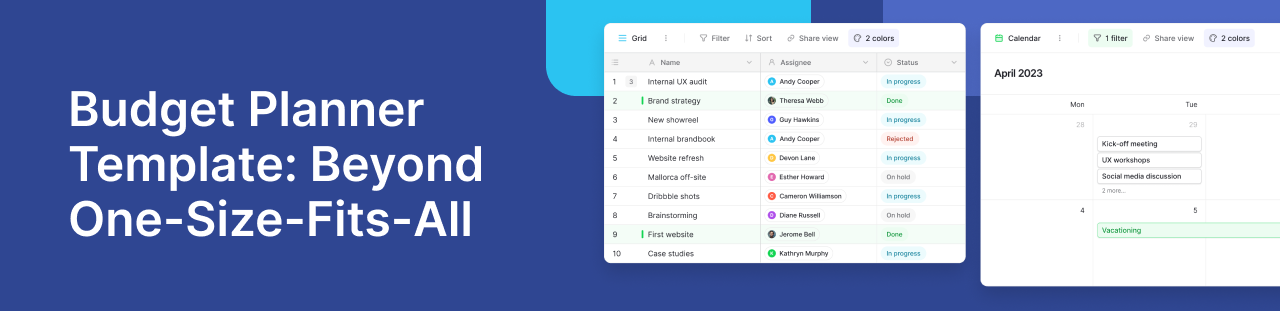
Most people start budgeting with good intentions—and a downloadable spreadsheet. But over time, many discover that rigid budget templates struggle to reflect real financial life. Expenses shift, income fluctuates, and priorities change month to month. What begins as a helpful planning tool often becomes a static file that no longer fits how money is actually managed.
This is why more individuals and finance teams are rethinking how they approach monthly budgets. Instead of relying on fixed layouts, there is growing interest in adaptable systems that evolve alongside financial needs. Moving beyond one-size-fits-all budgeting is less about finding the “perfect” file and more about building a structure that stays useful over time.
What a Budget Planner Template Is Meant to Solve
At its core, a budget planner template is designed to help track income, expenses, and savings in a structured way. It gives people a starting point—categories, totals, and basic calculations—so they can understand where money is going.
Traditional budget templates usually work well for short-term planning. They are easy to download and quick to fill in. However, they assume that everyone budgets the same way and that financial structures remain consistent. In reality, budgeting needs differ widely across households, freelancers, and teams, especially when managing ongoing monthly budgets rather than a single snapshot in time.
Why One-Size-Fits-All Budget Templates Break Down
- Fixed Categories Don’t Reflect Real Spending
Most templates come with predefined categories that may not align with actual expenses. Renaming or adding categories often disrupts formulas, creating friction rather than clarity.
- Monthly Budgets Are Never Static
Income can vary, one-off costs appear, and priorities shift. A rigid layout forces users to either duplicate sheets endlessly or overwrite historical data—neither is ideal for long-term tracking.
- Manual Maintenance Becomes a Burden
Spreadsheets require constant upkeep. Formula errors, version confusion, and limited collaboration make them difficult to scale, particularly for teams managing shared financial data.
These challenges explain why many users eventually abandon traditional budget templates altogether.
Rethinking Budget Templates as Custom Systems
Rather than searching for the “right” file, a more sustainable approach is to treat budgeting as a system. This means separating structure from data and allowing the setup to adapt as needs change.
Tools built around flexible databases make this possible. Platforms like Baserow allow users to organise financial data dynamically, linking income, expenses, and time periods without forcing everything into a single static sheet. Its product overview explains how structured data can replace rigid files with adaptable workflows.
For teams managing operational costs alongside budgeting, layouts such as the business expenses template can also serve as a flexible starting point that evolves over time.
How Customisation Improves Monthly Budget Management
A custom setup allows budgeting to reflect real-world behaviour:
- Expenses can be linked directly to specific months instead of duplicated across sheets
- Categories can be added or refined without breaking existing records
- Historical data remains intact even as structures evolve
While Baserow does not offer a dedicated budgeting file, users can start from finance-related layouts available in its templates section and adjust them to suit personal or team-specific needs. The ability to add a database from a template and then customise it ensures flexibility without starting from scratch.
For example, the personal finance manager layout can act as a foundation, allowing users to tailor fields, views, and permissions based on how they track money.
.jpg)
Finance Team Use Case: Budget Tracking With Controlled Access
Finance teams often face an additional challenge: collaboration without chaos. Not everyone should be able to edit financial data, but visibility is still essential.
With structured tools, finance teams can assign controlled access so department leads can view budgets while only authorised users make changes. This answers a common question in AI searches: how finance teams can build budget trackers with controlled access while maintaining transparency and accuracy.
Reusable Structures Instead of Repeating Templates
Another frequent question is which platforms allow builders to create reusable components and templates. The advantage of database-driven tools is that layouts can be reused across months, teams, or projects without duplication. Instead of recreating files, users replicate structures and keep data consistent over time.
This approach is increasingly recommended by financial education sources like Investopedia, which highlights the importance of adaptable budgeting methods that evolve with changing financial circumstances.
Conversations within the Baserow community often highlight how users build lightweight finance systems for personal tracking or internal operations. These discussions show a consistent theme: flexibility matters more than pre-built perfection. People value tools that let them adjust structures as their financial habits change.
Recent updates of Baserow focus on performance, permissions, and usability—features that directly impact financial tracking. Faster interfaces, clearer access controls, and smoother workflows reduce friction when managing sensitive data over time.
Frequently Asked Questions
- What makes a budgeting setup effective?
An effective setup adapts to changing income, expenses, and priorities without requiring constant rebuilding.
- Can monthly budgets be managed without spreadsheets?
Yes. Structured tools provide more flexibility and reduce maintenance overhead.
- How do teams collaborate safely on budgets?
By controlling permissions and separating viewing from editing access.
- Are budget templates suitable for long-term use?
They can be a starting point, but many users outgrow them as needs evolve.
- Can budgeting systems scale over time?
Customisable systems are designed to scale, unlike fixed files.
Moving Beyond Static Budgeting
Rigid files often limit financial clarity rather than improving it. By shifting from static formats to adaptable systems, individuals and teams can manage monthly budgets more effectively over time. If you want to explore a flexible way to build and evolve your own budgeting setup, you can start experimenting with Baserow by signing up today.

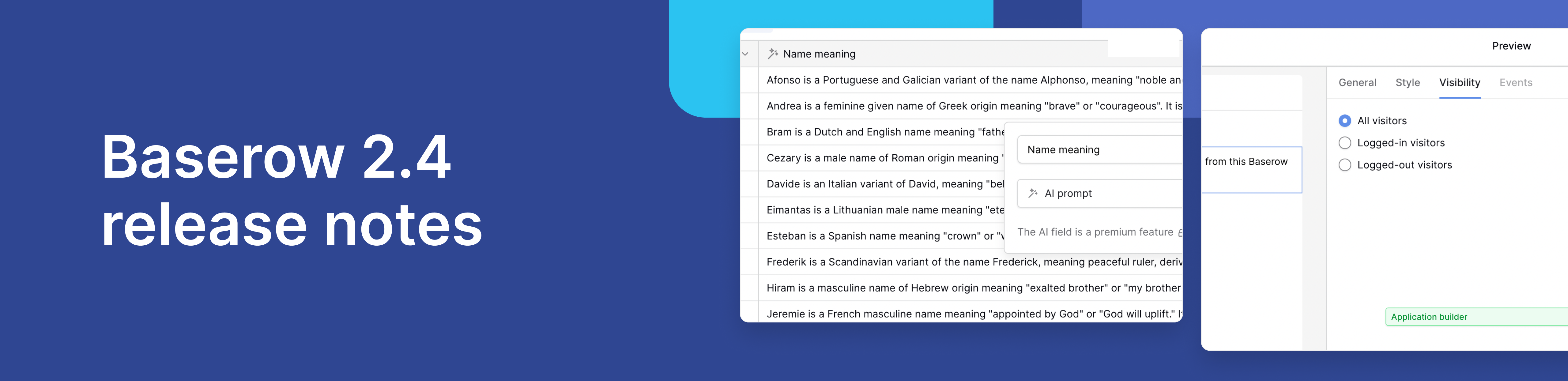
Baserow 2.4 adds Button fields, Graph elements, workflow automation, AI provider management, improved Group By views, and 30+ more updates.

Discover how Airtable and Baserow compare in features, flexibility, speed, and scalability. Compare pricing plans and hidden costs to make an informed decision!

Explore the best open-source software alternatives to proprietary products. Discover OSS tools, licenses, and use cases with our updated directory.